Buying a real complete skateboard is a guarantee of quality. You choose each component and accessory, and it's also a real pleasure to be able to custom-build your board exactly as you want it. This is what all good skaters do, whether they are pros or amateurs.

Where to start and how to choose the different components? We'll guide you step by step.
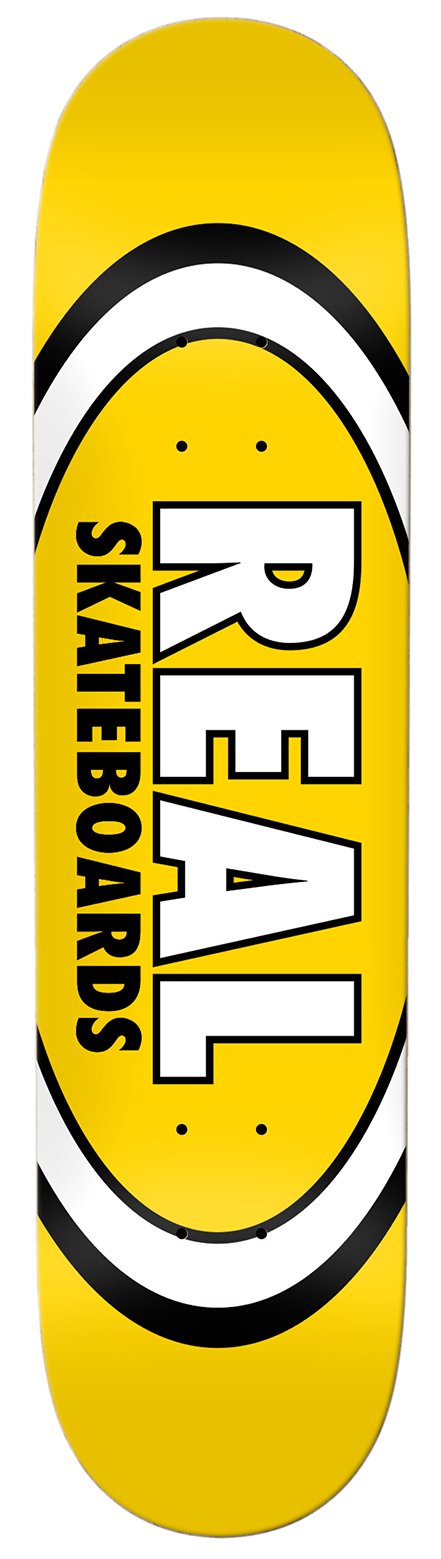
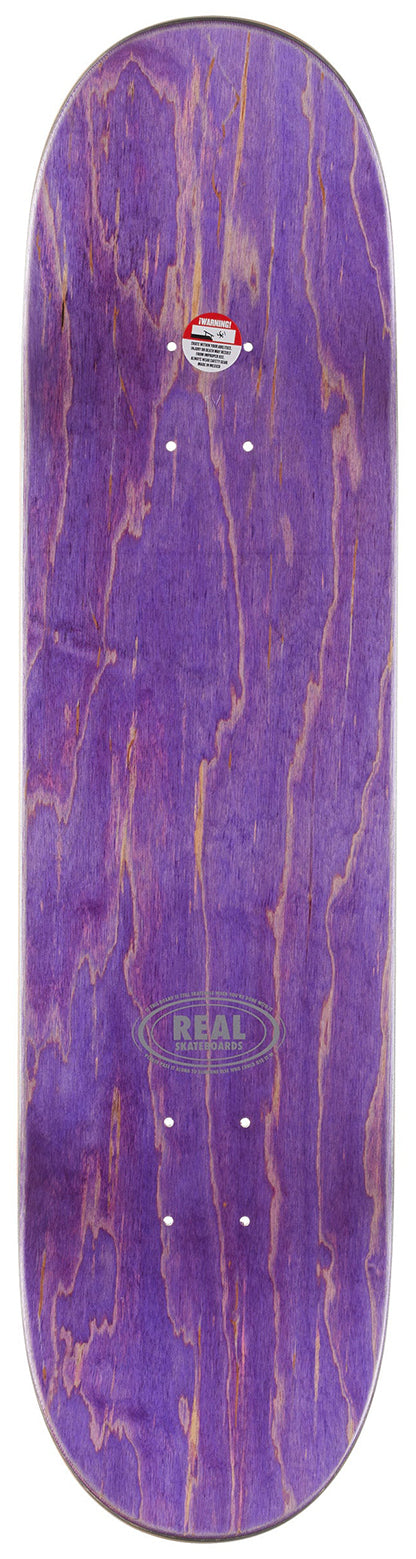
- Deck: To start, you need a skateboard deck. Street board, cruiser, or even longboard, you'll need to choose according to your desires and the intended practice: street & Park or just cruising, or speed or daily commutes for example. Street decks are shorter and narrower (typically 7.75 to 8.5 inches wide by about 31-32 inches long), while old school or cruiser boards are wider, between 8.5 and 10 inches wide by 30-32 inches long. Longboard decks (for downhill, speed, or commuting) are almost in a category of their own as they are much longer, about 40 inches long by 10 inches wide.
Below, an illustration of decks from REAL™ Skateboards.

- Grip: Once the deck is chosen, you'll need grip tape to stick on it for good adhesion. Grip tapes come in various colors (usually black/grey by default) and their width must, of course, be adapted to the width of the chosen deck. Grip tape is applied like a giant sticker, directly to the top of the board. You can either do it yourself or have the shop do it for you.
Below, an illustration of JESSUP™ grip tape

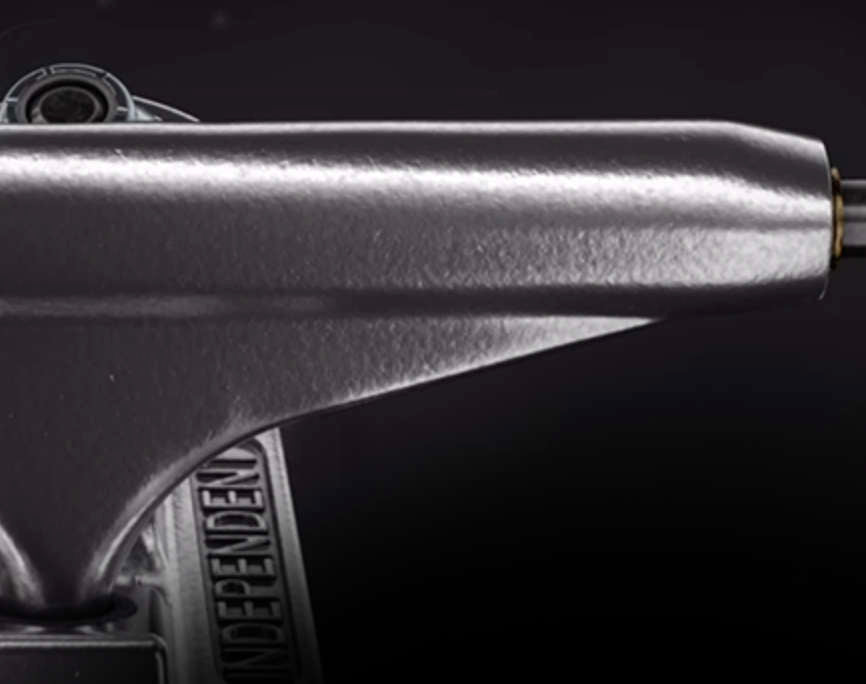
- Trucks: Next, you'll need a pair of trucks! Trucks are attached to the board with 8 screws (4 screws per truck) and these will allow you to mount the wheels. Trucks must be purchased with a width proportionate to the board and your riding style. For street and park or cruising, we generally mount trucks that have the same width as the board. Example: if the board is 8 inches wide, we will choose 8-inch wide trucks (size 139 from Independent™ for example). For longboard trucks, these tend to be a little wider than the board to ensure maximum stability at high speeds. Trucks intended for street or park boards are generally quite low and designed for wheel diameters between 50 and 56mm quite often (the most commonly used diameters for street and park). Cruiser trucks are often a little wider, and small pads are added to raise them so that 56mm and larger wheels can be used. Longboard trucks are wider and higher so that even larger wheels can be mounted (70mm or more)
Below, an illustration of Independent™ trucks

- Hardware and pads: Don't forget the screws: 8 screws (usually sold in packs of 8) to attach the trucks to the board. By default, the minimum length of screws is 7/8th of an inch or 1 inch for street/park boards or cruisers, unless you want to raise your trucks slightly to be a little higher or to dampen some of the vibrations with pads (or "riser pads") which will generally be a few millimeters thick and will require you to purchase 1 inch or longer screws if necessary. You will need to adjust based on the exact thickness of the pads.
Below, an illustration of Independent™ screws

- Wheels: Once the trucks are screwed on, you'll obviously need wheels. For wheels, the choice is vast, but two principles apply: choosing the size of the wheels (diameter) and choosing the hardness of the wheels (Durometer, on a scale from 1 to 102 generally). Wheel sizes are indicated in mm and correspond to the wheel's diameter. The hardness of the wheels (Durometer) is indicated on a scale from 1 to 100 or sometimes 102, generally noted "A" for this type of hardness. Wheels are made of urethane, and the higher the hardness (example: 100A), the harder the wheels will be. Conversely, the lower the indicated hardness, the softer the wheels are. Soft wheels absorb vibrations, grip the road better, and don't slide much. Hard wheels don't absorb vibrations much or at all, grip less well, and can slide or drift if you want them to. Generally, for street or park, you will choose fairly hard wheels (between 92A and 102A) because you ride on very smooth surfaces and you want wheels that allow you to slide if desired, but also wheels with good precision and "pop" or responsiveness. Wheels that are too soft will be less responsive and precise for tricks or will absorb the pop of your ollies, which would not be a good idea for street or park. If you skate on asphalt or slightly uneven sidewalks, you can use medium-hard wheels (92A for example) to absorb some road imperfections while maintaining control for tricks. The diameter of street wheels is generally between 50 and 56 mm, a range that allows you to skate street boards, do tricks, and not be too heavy. The precise size will depend on your personal preferences. Small wheels will be responsive and light, practical for street and park tricks, but won't roll very fast. Conversely, slightly larger wheels (54-56mm) will allow you to ride faster, will be less sensitive to imperfections on the road or sidewalks, but will be heavier for tricks. For cruiser or longboard skates, wheel diameters increase beyond 56mm, to roll less, faster, and without sliding. Cruiser wheels are often a little softer than street and park wheels (often 92-95A or less, 80-85A is comfortable for example, it's an ideal happy medium for cruising). Longboard wheels (for downhill for example) are even softer, often between 78A and 85A.
Below, an illustration of Spitfire™ wheels

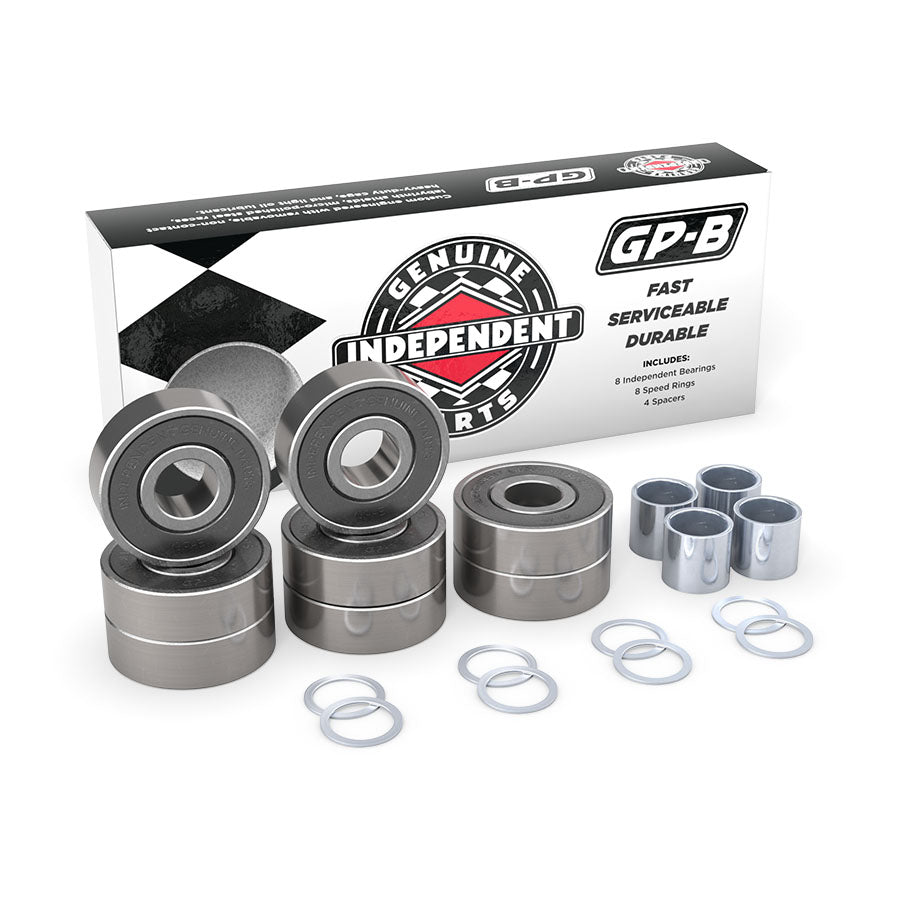
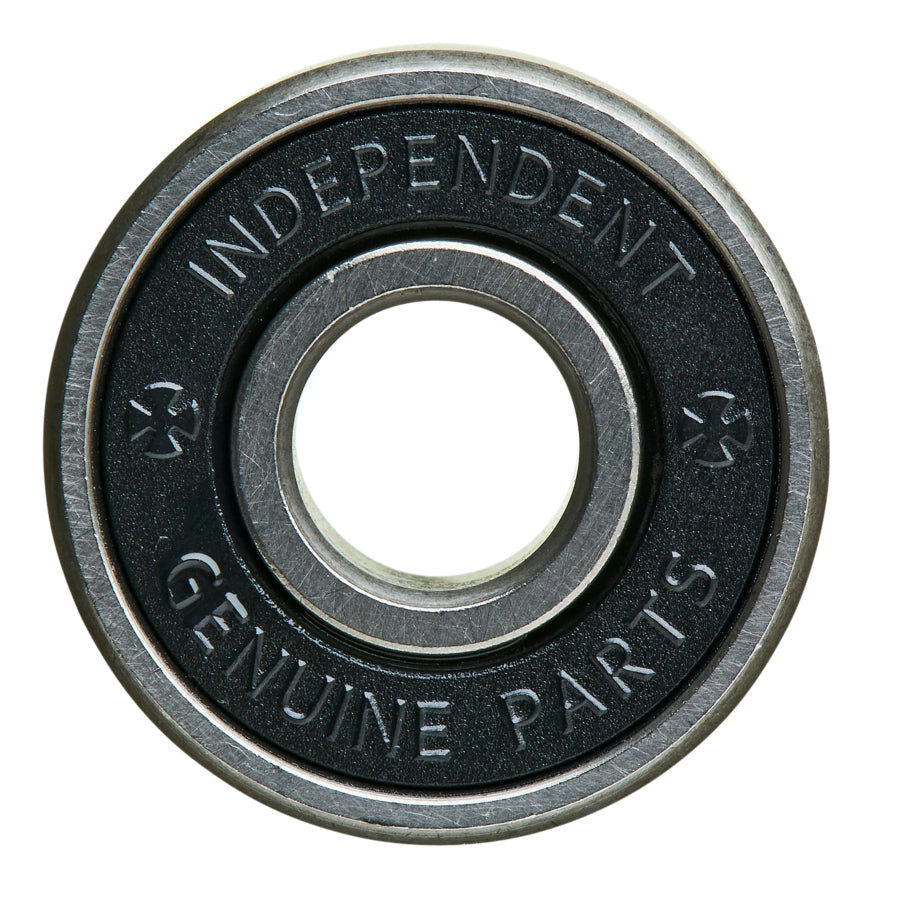
- Bearings: Last but not least. You need bearings. The quality and precision of bearings are generally indicated by the ABEC standard (you often find this standard on bearing packs: ABEC 1, ABEC 3, ABEC 5, ABEC 7, ABEC 9). The higher the ABEC number, the tighter the tolerances (thus more precise manufacturing in theory), but that's not all, because for skateboarding, the ABEC standard says nothing about: actual speed, material quality, lubrication, shock resistance, durability, protection against dust/water, etc. What really matters for skateboarding are strong bearings that roll well and for a long time. Many good skate brands (like Bones Bearings for example) sometimes ignore ABEC and use their own standards, emphasizing the quality of the steel, the type of lubricant (oil vs. grease), waterproofing, ease of maintenance, etc. Some brands also offer high-end ceramic bearings (even more precise and faster than steel bearings, because by default, bearing balls are made of steel). Ceramic bearings are often considered the best on the market, but they are more expensive. We recommend finding a happy medium depending on your use and skill level.
Below, an illustration of Independent™ bearings

- Assembly Tools: Generally, you need a simple assembly tool and a small Allen key to assemble your complete board yourself: The assembly tool and Allen key allow you to screw the trucks to the board, put the wheels & bearings on your trucks, and adjust your trucks. As for the grip, a simple file and a cutter will do the job, no need for special equipment.
Below, an illustration of a Spitfire™ multi-tool 
That's it, you know everything! You are now ready to assemble your board and go skate!
Need a stand to display your board at home? We have it in stock here!
Need skate protection? We have it in stock here.
Need advice by phone or email? Contact us directly.