
How to choose the right skimboard?
Skimboarding is one of the most accessible board sports out there. No need for perfect waves, no need to wait for the right conditions — a beach, a waterfront, and a few inches of water are enough to have a blast. It's also one of the most fun activities to do with family or friends.
But between wooden boards, epoxy boards, different sizes, and different practices, it's not always easy to know where to start. This guide is here to help you make the right choice, right from the start.

Skimboarding Practices
Before choosing your board, the first question to ask yourself is: how do you want to practice? Because skimboarding covers two styles, and the right board choice directly depends on it.
- Flatground (or beach skimming)
This is the most accessible practice, and often where everyone starts, perfect for getting your first gliding sensations. The principle is simple: you run to gain momentum, place the board on the thin film of water left by the backwash on the sand, and jump on it to slide as far as possible. No need for waves, no need for special conditions — a little water on the sand is enough.
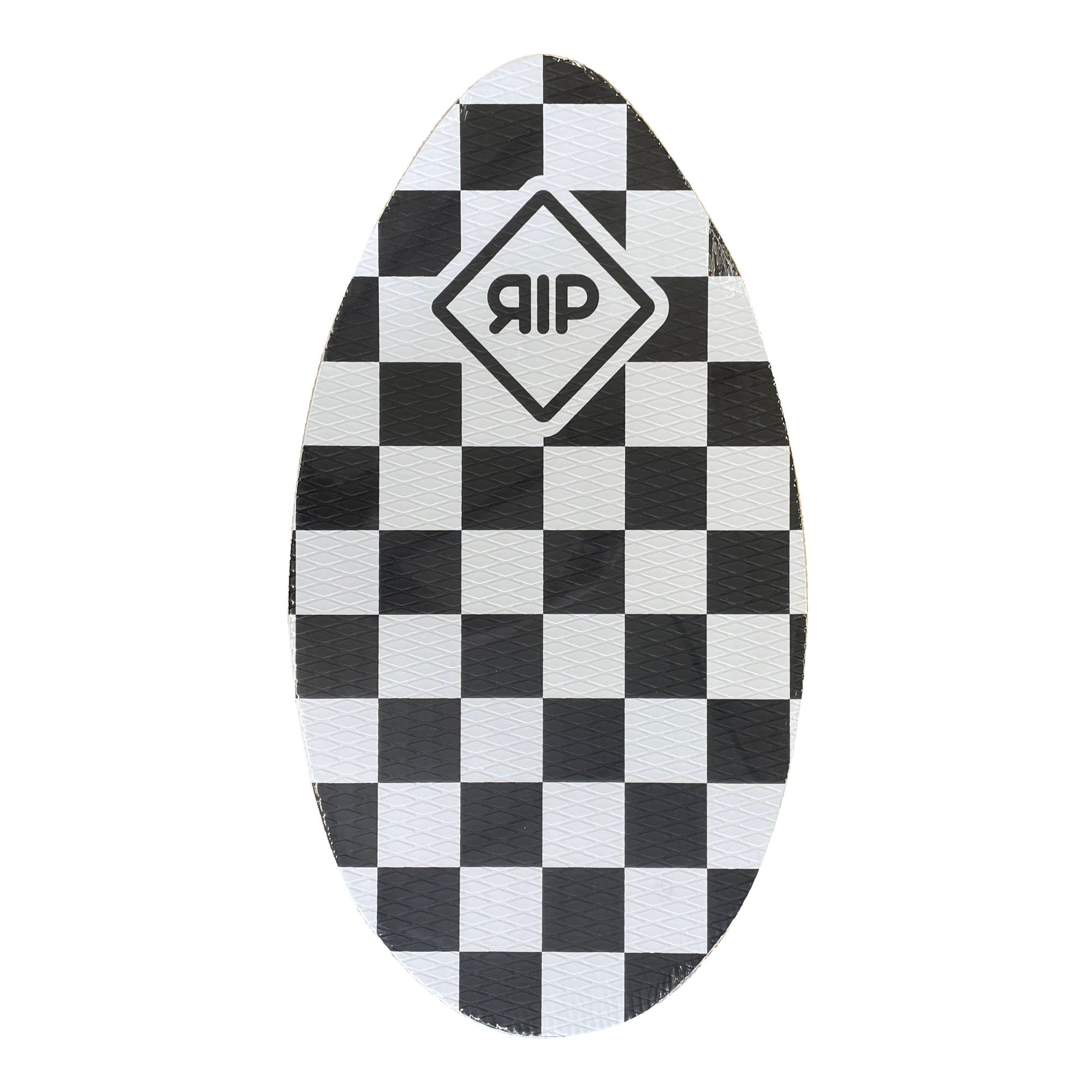
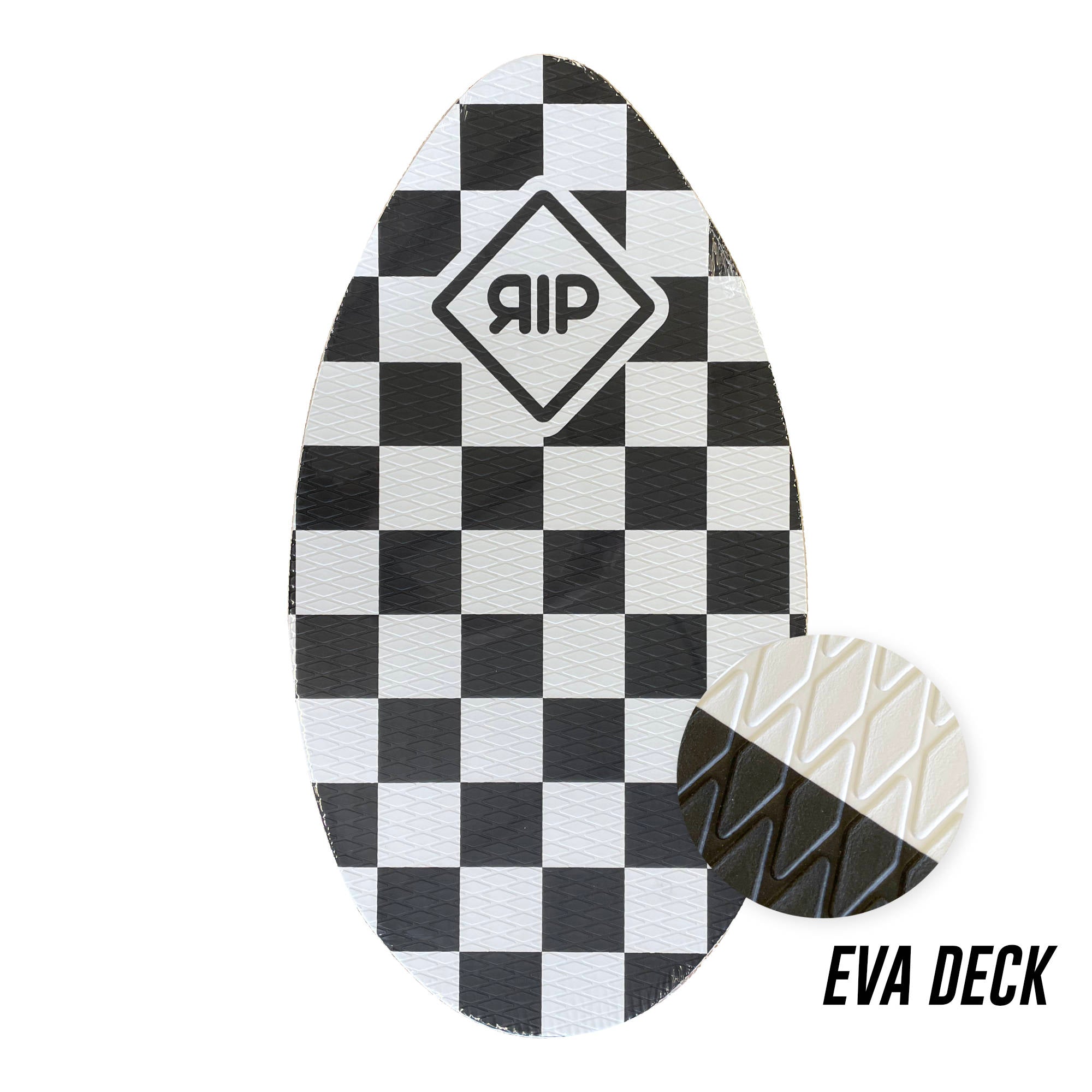
It's a perfect activity for all ages, easy to learn, and can be practiced on almost any beach. A wooden board is more than enough to start and have fun with flatground.
- Wave skimming (skim in the waves)
This is the advanced practice of skimboarding. The idea is to gain momentum, throw the board onto the water, and jump on it to reach the shorebreak (the wave close to the shore) and surf it.
This is a much more technical practice; a wooden board will not be enough to reach the waves — you will need to switch to epoxy.

Different types of skimboards
There are two main families of skimboards, each designed for a specific practice and skill level.
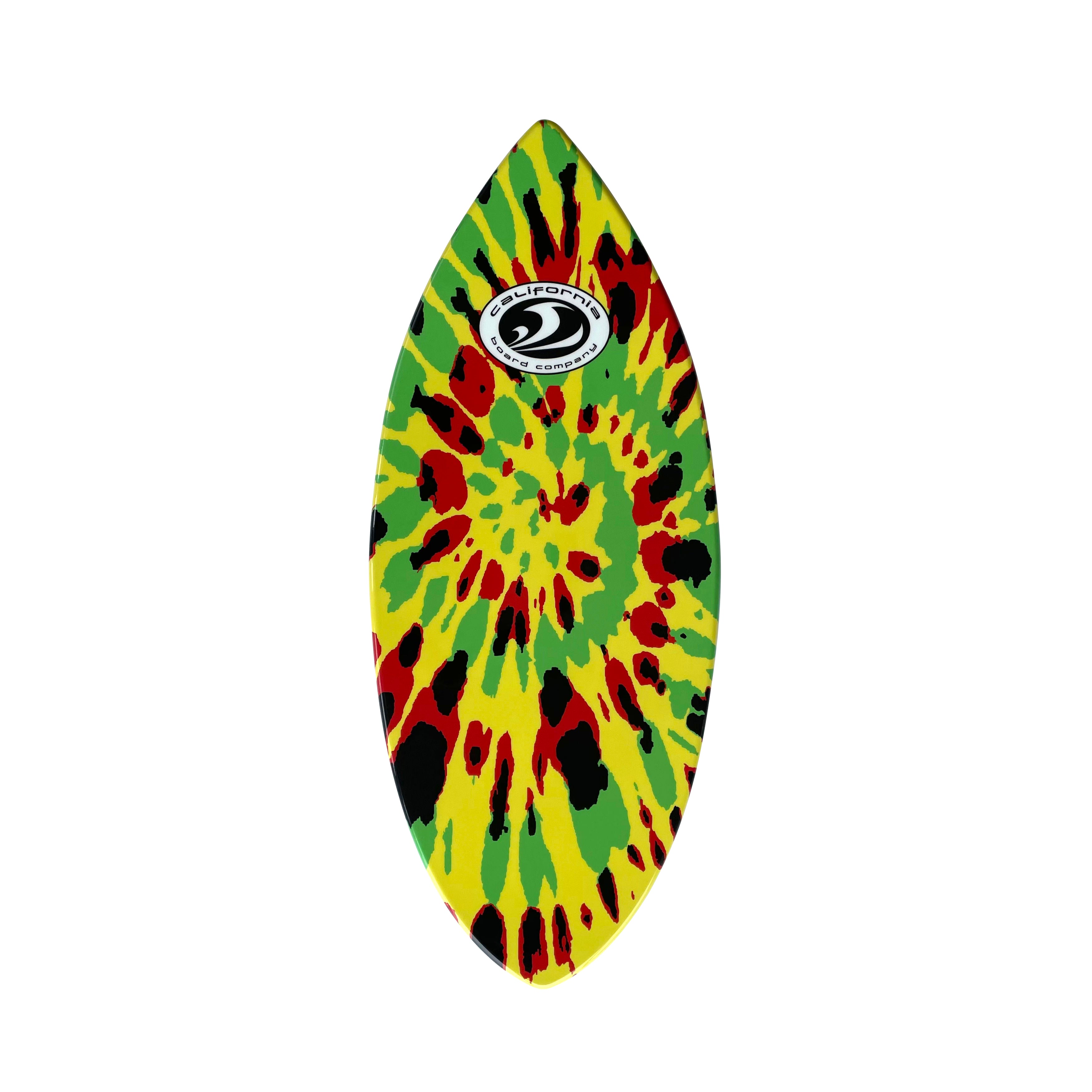
Epoxy skimboards are intended for more intense use by intermediate and advanced riders. Epoxy skimboards are larger, stiffer, and allow for maximum speed to surf the shorebreak thanks to their superior buoyancy. They have good grip in hollow waves.

Size guide: what size to choose?
The size of a skimboard is expressed in inches and is chosen primarily based on your build — height and weight — but also your practice and skill level.
- Wooden boards: size guide
| Skimboard size | Recommended age | User height | User weight | Experience level |
|---|---|---|---|---|
| 30" | 3 to 6 years | up to 115 cm | up to 30 kg | Beginner |
| 35" | 6 to 9 years | 115 to 135 cm | 20 to 35 kg | Beginner |
| 36" | 8 to 11 years | 130 to 145 cm | 30 to 45 kg | Beginner / Intermediate |
| 37" | 11 to 14 years | 140 to 160 cm | 40 to 55 kg | Beginner / Intermediate |
| 39" | 14 years and + | 155 to 175 cm | 50 to 70 kg | Intermediate |
| 40" | 16 years and + | 170 to 185 cm | 65 to 85 kg | Beginner / Intermediate |
| 41" | Adults | 180 cm and + | 80 kg and + | Beginner / Intermediate / Advanced |
- Epoxy boards: size guide
42.5 inch - Ideal for lighter and smaller riders, between 1.30m and 1.50m (approx. 40-50Kgs)
44.5 inch - Ideal for light and small riders, between 1.50m and 1.70m (approx. 50-60kgs)
51 inch - Ideal for average riders, between 1.70m and 1.80m (approx. 60-75kgs)
53.5 inch - Ideal for tall riders, between 1.75m and 1.90m (approx. 70-85kgs)
55 inch - Ideal for very tall riders, between 1.80m and 2.0m+ (approx. 80kgs and up)

Essential accessories
Once you've chosen your board, a few accessories can really change the experience.
- The pad: this is the number one accessory. It's an anti-slip strip that sticks along the entire length of the board and allows you to properly place your feet and keep them in place while gliding. Without a pad, it's difficult to have stable support — especially with epoxy. Some riders supplement the arch bar with a tail pad at the back for even more grip and comfort. You can find pads from brands like Creatures, Balin, Famous or Sympl in our catalog.
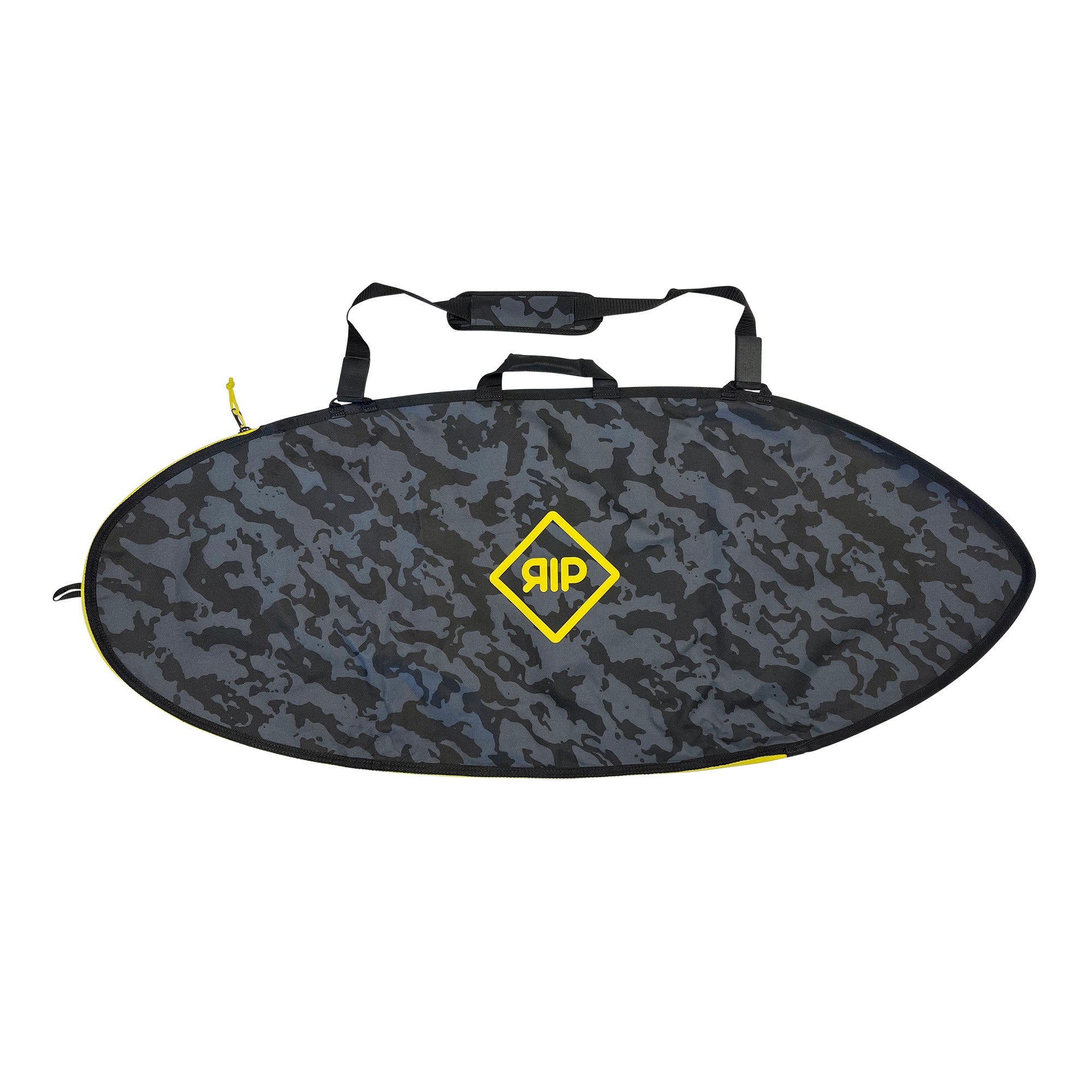
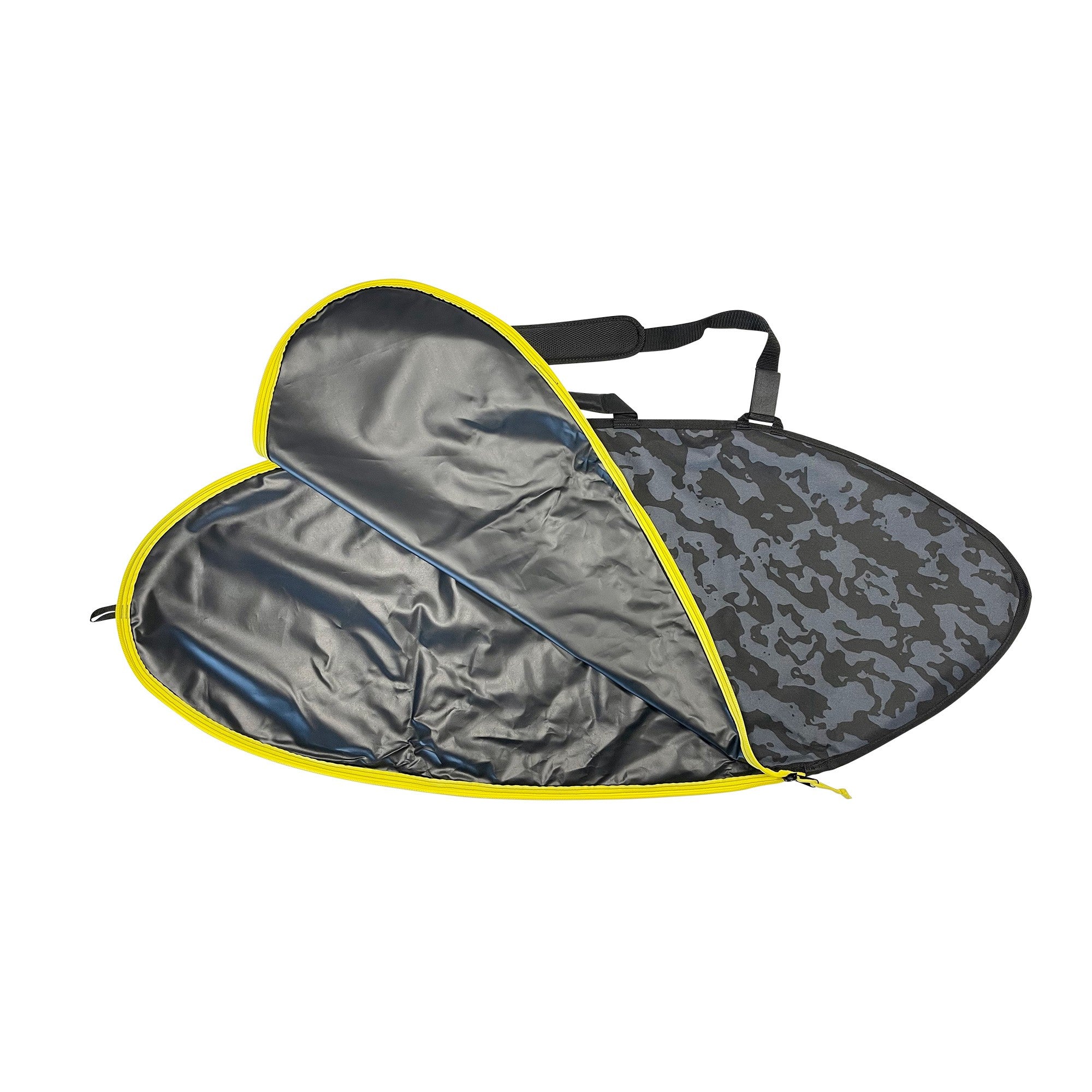
- The board bag: essential for transporting and protecting your board without damaging it, whether in the trunk of your car or on the way to the beach. Particularly useful for epoxy boards, which require a little more care than wood.