All about Bodyboard Fins
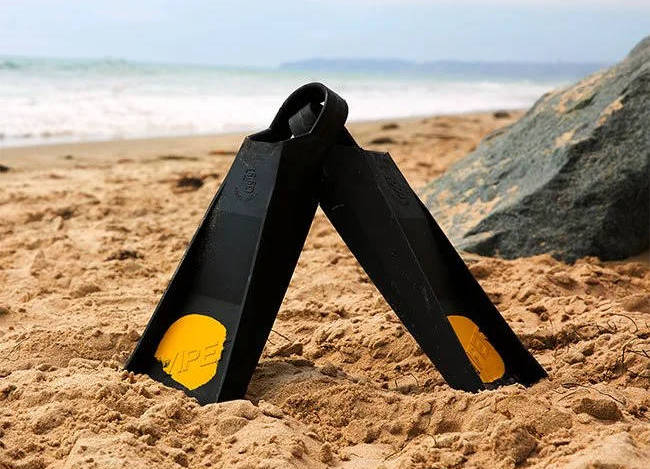
Essential for bodyboarding, fins allow you to get back to the peak, provide propulsion for catching waves, and offer control when you're on the wave, acting as very effective rudders as you glide. They will also help you slow down in the wave when necessary to stay in the hollow part of the wave or to get deep into the tube and control speed and trajectory. They are clearly necessary if you really want to bodyboard properly.
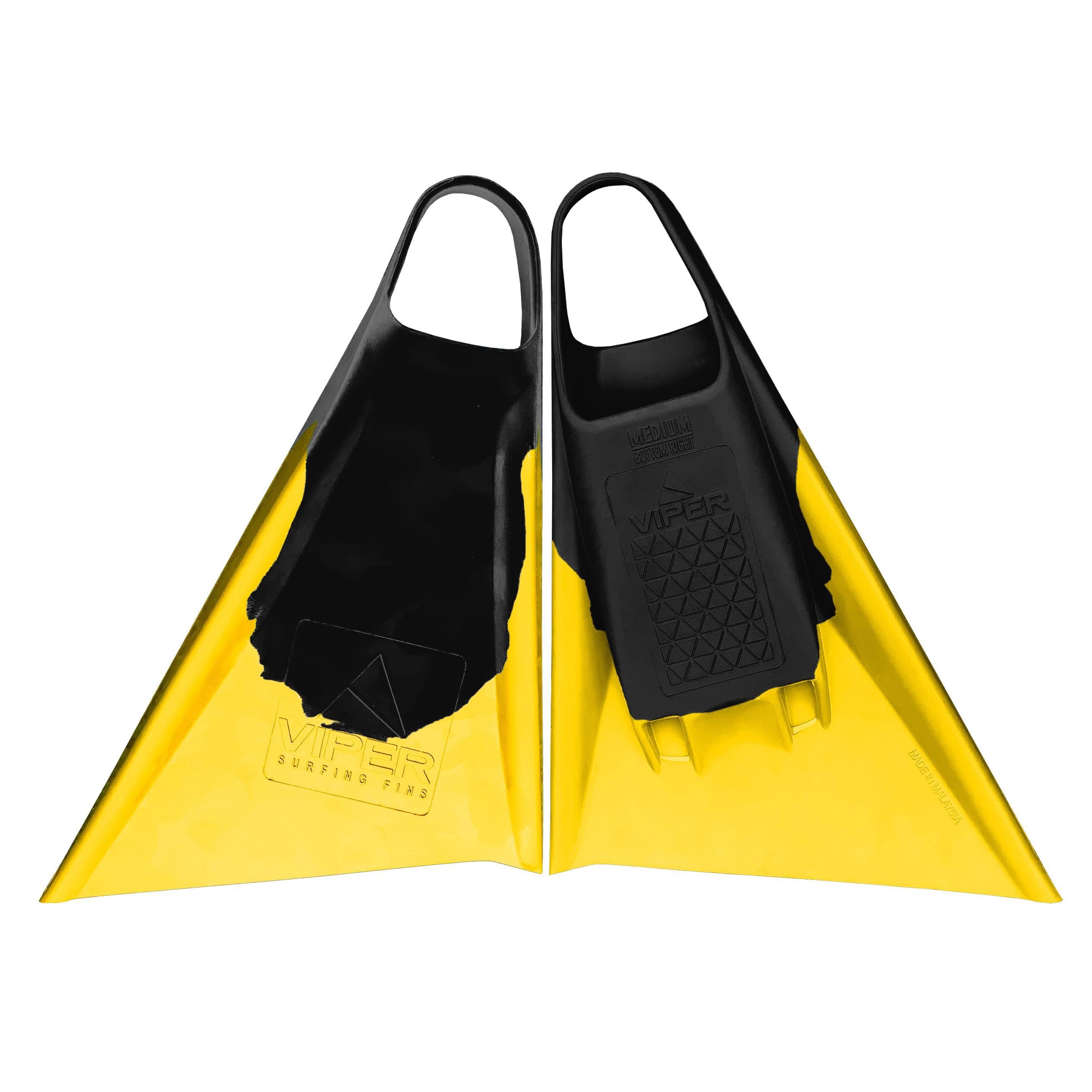
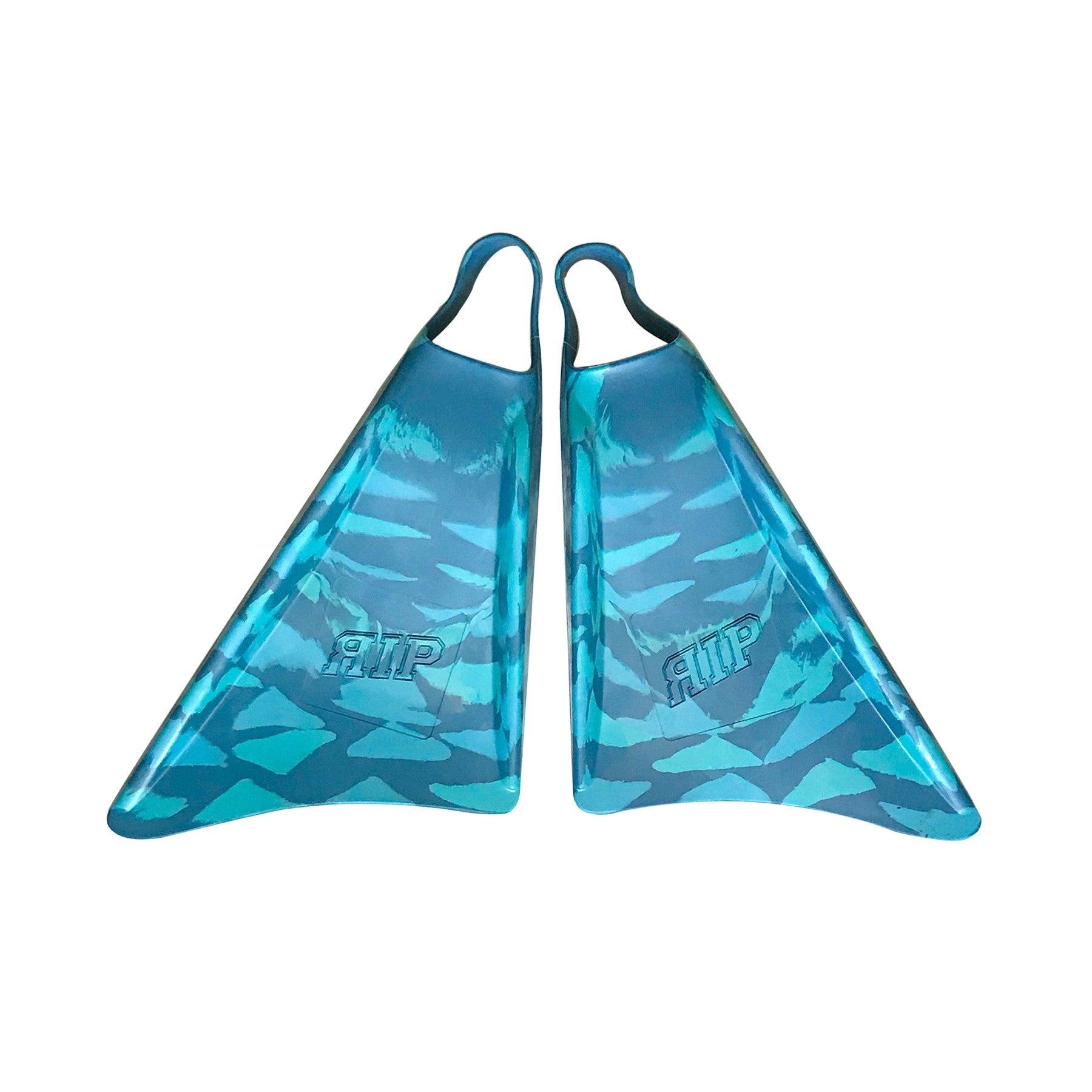
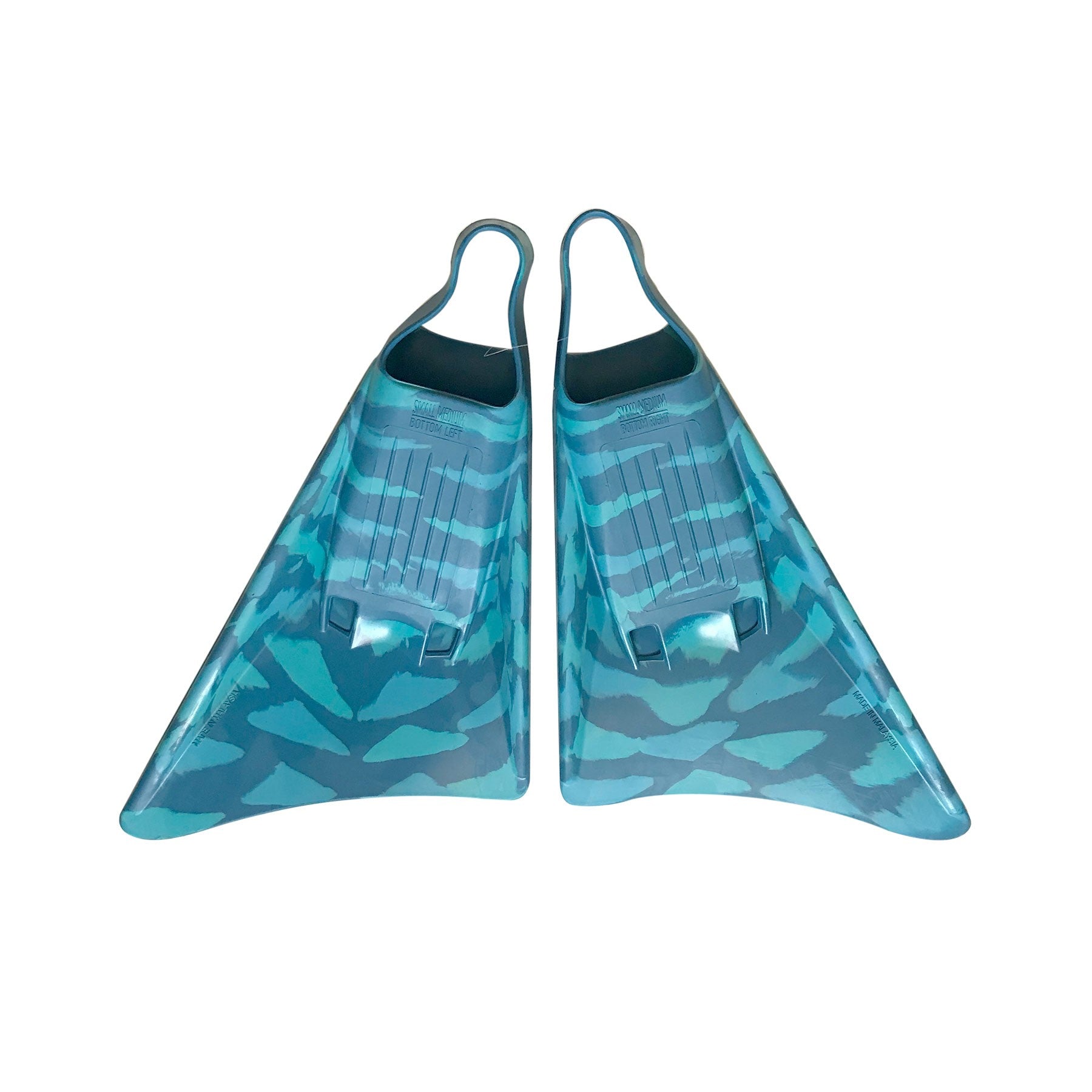
Woodstockshop offers a wide selection of fins and fin accessories, a quality selection of fins for all levels, from beginner to advanced and pro, including brands like Viper, Gyroll, Dafin, RIP, Kick's Fins, and POD.
Bodyboard fins are made of rubber and are generally quite short to ensure fast and intense propulsion for catching a wave (unlike diving or swimming fins, which are longer and allow for maintaining speed and propulsion over long distances, with a different kicking style, with the entire body in the water and the entire leg, pelvis, and body assisting in propulsion). In bodyboarding, only your thighs, knees, calves, and ankles provide propulsion, and your pelvis is positioned on the tail of your board. You don't use your entire body for propulsion. Propulsion must be efficient, precise, and you must generate maximum speed over short distances: catching a wave, positioning yourself, duck diving, getting back to the peak. Bodyboard fins are also practical for dropknee because their short size prevents the blade from getting in the way when you stand in dropknee position on the board and when you place your fin on the board's deck.
Generally, bodyboard fins are quite stiff to ensure strong propulsion over short distances and to stay securely on your feet in waves, currents, and wipeouts. A rubber that is too soft (especially on the strap) would be vulnerable in powerful waves, and you would risk losing your fins. They are also a bit thicker and sometimes a bit heavier, to be strong, durable, and ensure maximum control in powerful waves. Fins that are too soft are easily lost; fins that are too light would not act as a rudder.
To choose your fins well, you need to consider a few specific criteria:
- Asymmetrical or symmetrical fins
- Fin stiffness: Physical condition and technical level
- Personal preferences
- Shoe size
Fin shape: Asymmetrical or symmetrical fins
- Symmetrical: both fins are symmetrical (right and left feet are therefore identical). Practical because there's no need to choose a foot to put them on! Symmetrical fins propel well, efficiently, in a straight line, and are ergonomic for your body; they do not stress your knees or joints in an asymmetrical or inappropriate way.
Some people with knee problems (without generalizing) prefer symmetrical fins, which facilitate uniform and more ergonomic movement during propulsion. At Woodstockshop, we also recommend them.

- Asymmetrical: The asymmetrical design propels differently because the fin's asymmetry tends to make the foot slightly "twist" when kicking. Propulsion may often seem softer and less demanding than symmetrical fins, and their often slightly longer side blade allows for wider kicking movements, but the difference remains quite marginal compared to symmetrical fins. For tricks, asymmetrical fins can facilitate rotations because they come out of the water more easily and allow for crossing legs during spins (360°) more easily and sometimes more aesthetically. You often see beautiful photos of pros with perfectly crossed legs during spins or reverses, and it seems slightly easier to cross legs with asymmetrical fins. Once again, it's mostly about feel, and this difference is marginal.
How to choose between symmetrical and asymmetrical fins? It's a personal choice, of course, a matter of feel, sometimes aesthetics, and you often have to test both to form your own opinion. There's no right or wrong choice; you need to choose fins that are comfortable for you and that propel as you wish. Some like longer blades, others shorter; some appreciate asymmetry, and others don't.

Stiffness - A personal, physical, and technical choice.
The softer a fin is, the more comfortable it is, that's a fact... but it will be less effective for propulsion. Generally, a stiff rubber will propel strongly, while a soft rubber will lose power. It is possible to find fins where the foot pocket is quite soft and the blade quite stiff (a good compromise), but they will remain less effective for propulsion than fins with a fairly stiff foot pocket and a fairly stiff blade. The softness of the rubber dissipates the power you put into kicking. A stiff fin will be physically more demanding than a soft fin because it will require more physical power. A soft fin will require less physical power. The key is to find a balance between the stiffness of the fins you choose and your physical condition (or experience and habit of kicking).
Generally, soft fins are often better suited for beginners, children, and occasional practitioners.
Conversely, the stiffer a fin is, the more effective it is for propulsion, and the more it will suit regular practitioners and those in good physical shape.
Preconceived idea: "Stiff fins hurt or cut your feet." No, what hurts your feet are fins that are too big (which rub instead of being snug on your feet) and/or poor quality fins whose edges can be sharp (especially on the strap, the instep, or the malleoli).
Wearing neoprene socks/booties also makes fins more comfortable, so keep that in mind.
Personal preferences:
Despite all the advice or information we can give you, nothing beats personal experience and testing in real conditions to truly know which fins suit you best. Don't hesitate to try your friends' fins, change your fins if yours don't suit you, test symmetrical or asymmetrical fins, and then call us for advice! Every rider will have their personal preferences, their little habits, or fins they've always used, those they got used to during their first sessions, or those that don't hurt their feet while all the others don't seem to fit. Some swear by symmetrical fins, others by asymmetrical, some love stiff fins, others don't... It's often a matter of small personal preferences!
NB: Not all brands size the same, and sometimes certain brands run larger or smaller, and some have a size chart that will fit your foot or foot morphology very well, while others won't at all.
Shoe size:
Each brand has a precise sizing chart (generally specified on each Woodstockshop product page). Take your size, prefer a fin that is snug on your foot, neither too big nor too small; it should not float but also should not crush your foot. Certain foot shapes "match" well with certain brands or fins, but it's impossible to know in advance which fin would be your ideal fin without trying them on (at least by putting them on in a store). Our advice can, however, guide you best in making the right choice.
Tip: If you are between 2 sizes, you can compensate with a small neoprene pad on the fin strap or with booties for bodyboarding. Example: Gyroll Pads
NB: If you wear neoprene booties in winter, remember to try the fins with booties when purchasing to choose the correct size.
You can refer to this average size scale:
S: < 40
M: between 40 and 41
ML: between 42 and 43
L: between 44 and 45
XL: 45 and above
Bonus: Very useful fin accessories not to forget:
- Booties for fins (summer or winter)
- Pads
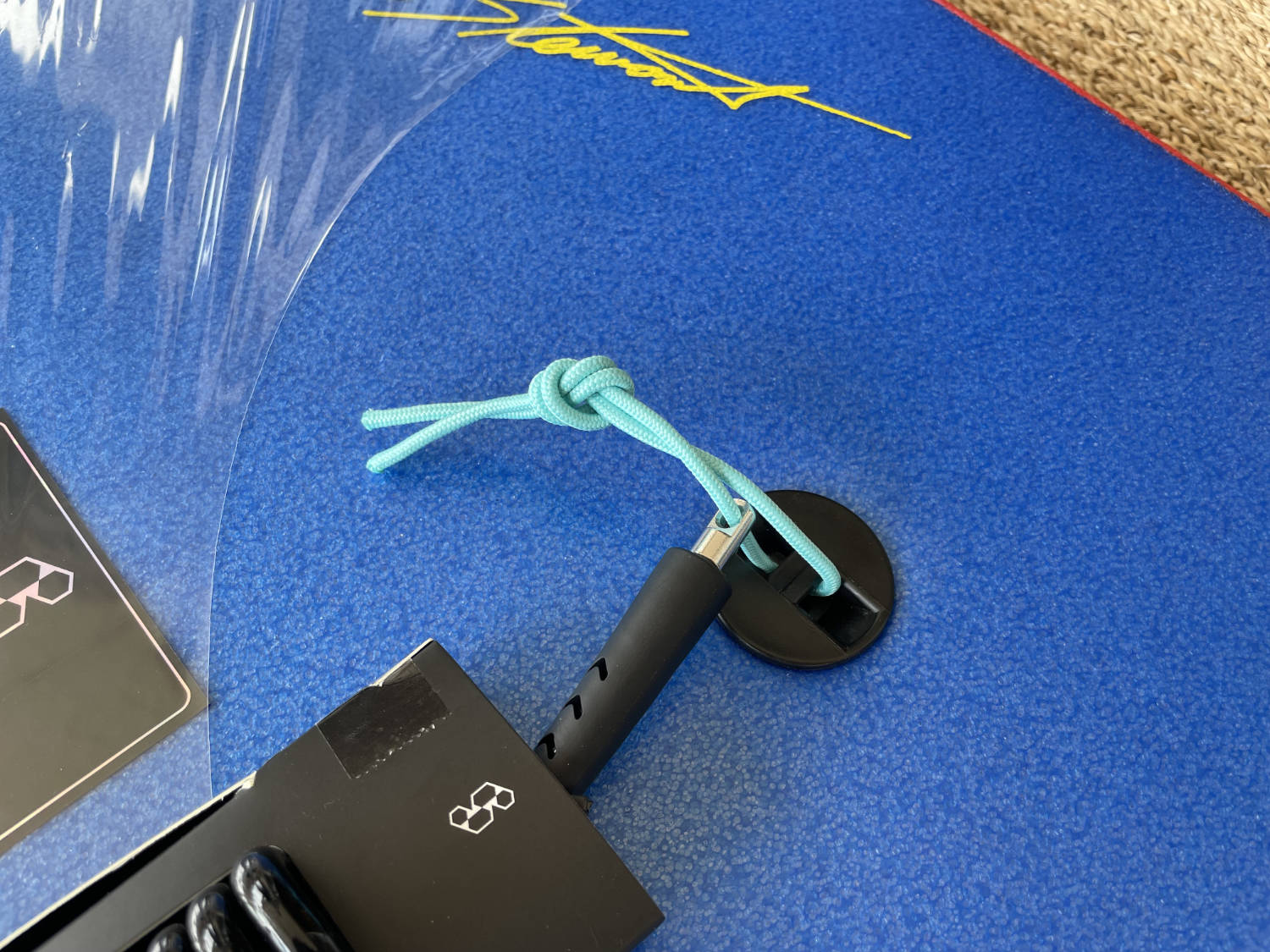
- Fin leashes so you don't lose your fins!