Surf Trip Essentials
A surf trip starts long before you ever set foot in the water. It starts in the garage, with your bag open on the floor, wondering if you're forgetting anything. And that's often where it all happens, because a forgotten wax, a snapped leash, or a wetsuit that's too thin can ruin entire days of sessions on a surf trip.
Here's our list of true essentials! Maybe not exhaustive or 100% perfect, but built by surfers, for surfers.
Rule number one: travel light
Whether you're heading off in a van for the weekend or flying for three weeks to the other side of the world, the rule is the same: pack less than you think you need. An overloaded board bag, a backpack that's impossible to carry, and you'll start the trip exhausted before you've even seen a wave. Be selective, take only the essentials.

The boards: the sinews of war
It goes without saying that without a board, there's no surf trip. But the real question is: how many to take, and which ones?
For a trip by car or van, you have complete freedom to take whatever you want. Take at least two boards: your main board and a backup, or two boards for different conditions depending on the forecasts and the spots you plan to surf. A badly navigated wave, a ding that's too deep, a broken board, and sometimes the trip is over if you don't have a spare board or if you've gone surfing far off the beaten track and it's not possible to find a second-hand board on site.
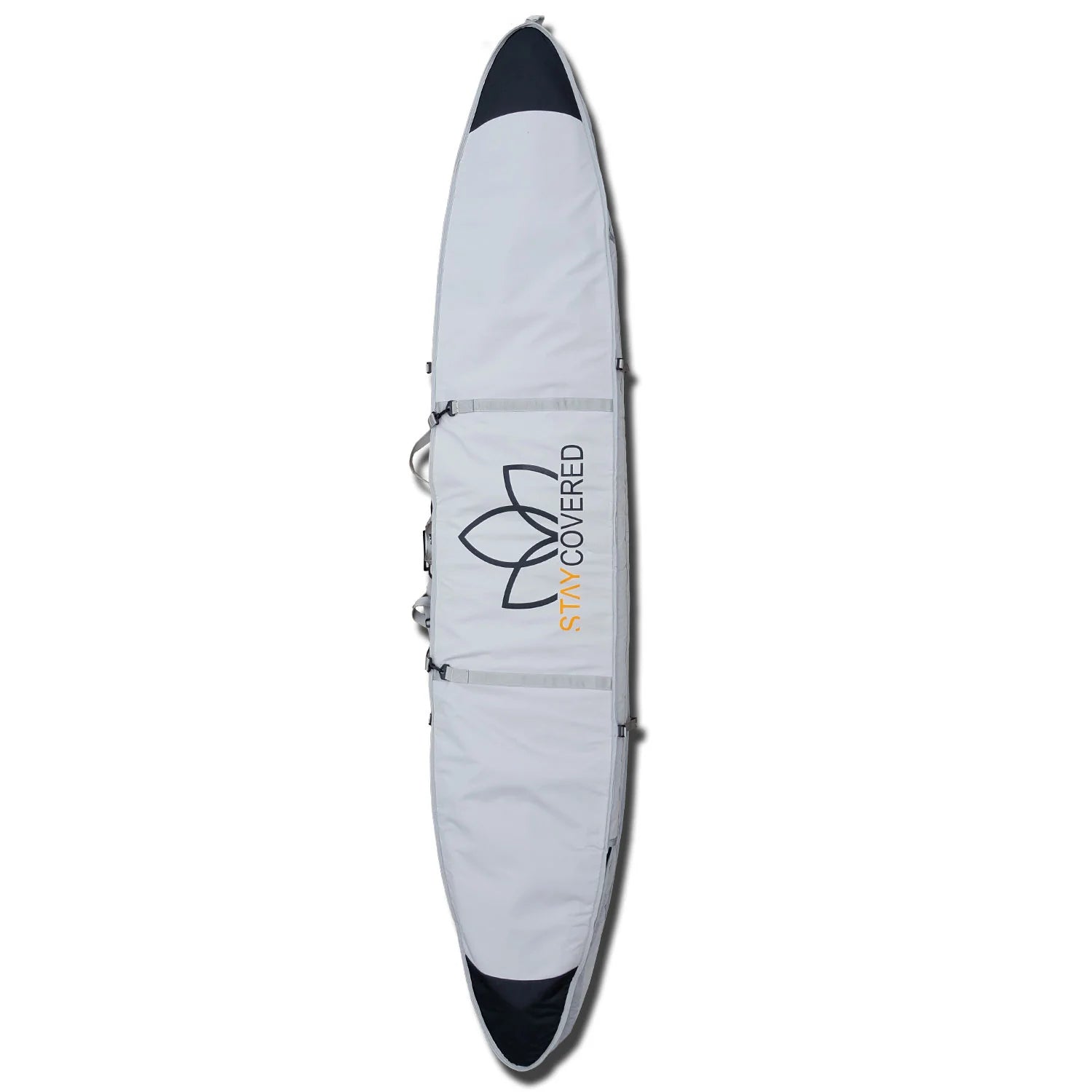
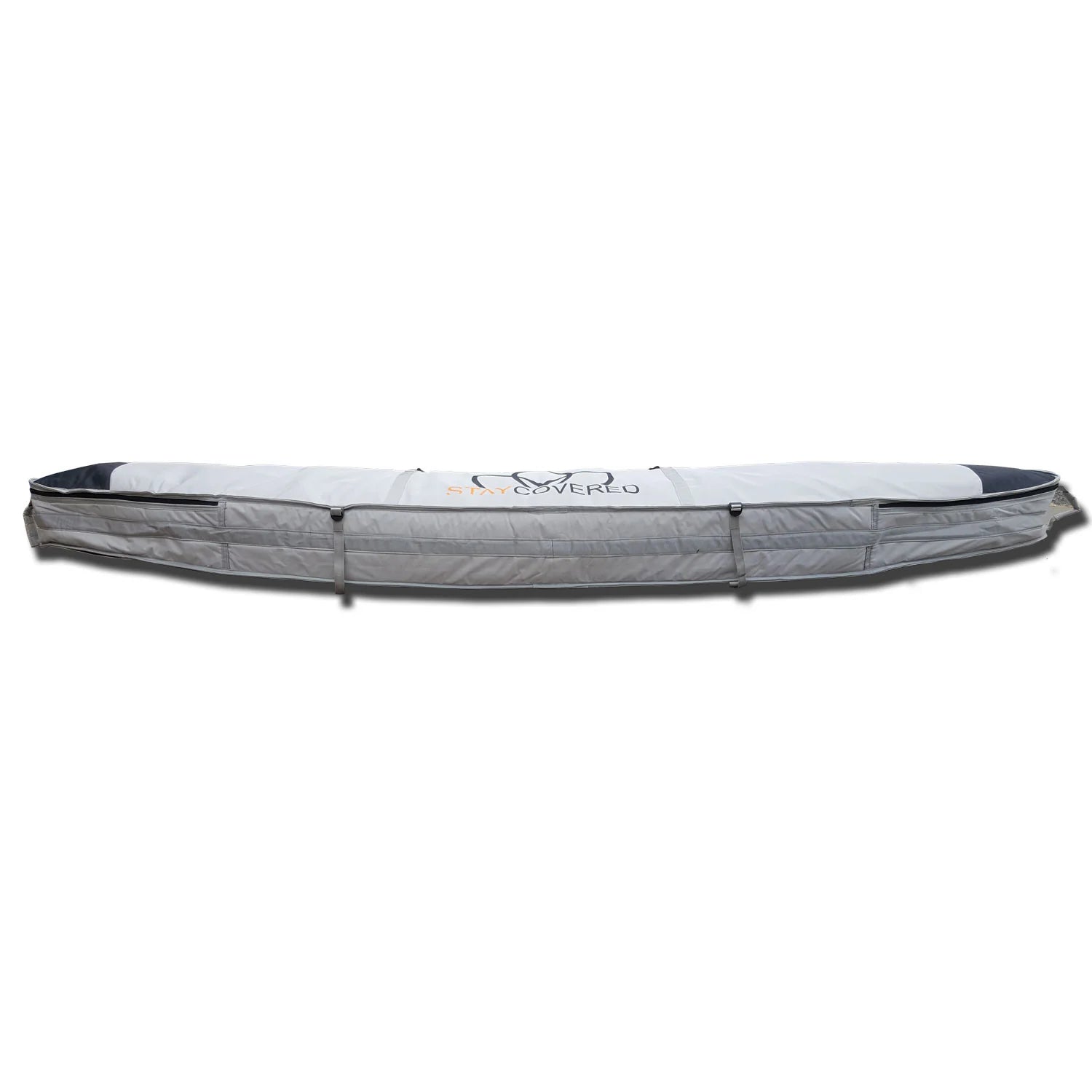
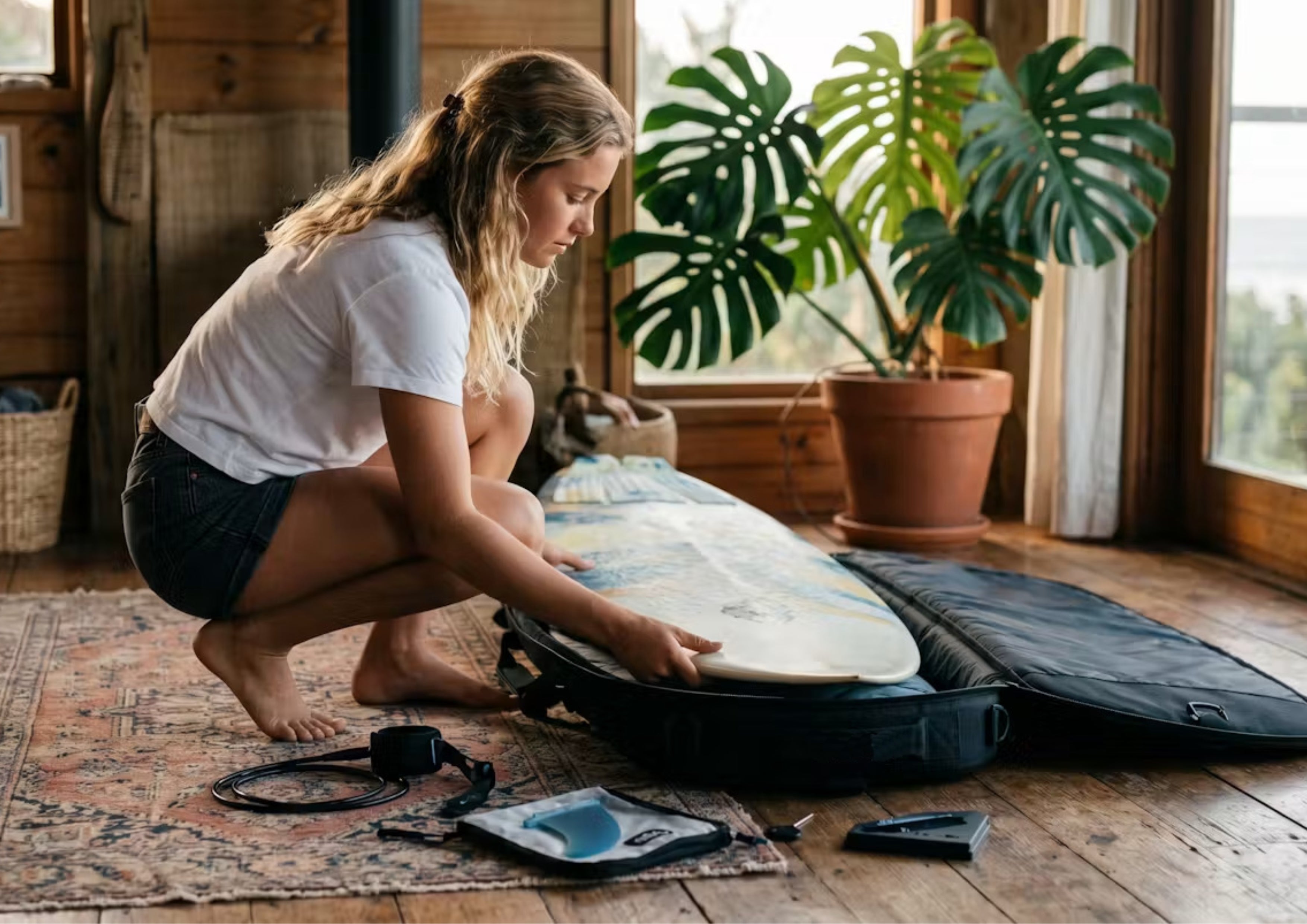
For a trip by plane, the selection becomes more strategic; you'll need to choose the board(s) that best suit the spots you plan to surf. A good board bag is essential to protect your boards from damage in the hold, with enough space to fit two to three boards.
The board bag: the investment that protects everything else
A good board bag is what makes the difference between boards that arrive in good condition and boards that arrive in pieces (not always, but still, better to put all the odds on your side!). For a car or van trip, classic covers are enough to protect your boards from UV, scratches, and impacts during transport. For the plane, opt for a well-padded travel bag, with enough space to fit two to three boards, and remember to pad your towels and bubble wrap around them to absorb shocks in the hold.
Our personal advice: Don't put all your belongings in the board bag (toiletries, clothes, shoes, etc.) because you will make it considerably heavier, which is not a good idea at all, for 2 reasons:
- Airlines will certainly weigh your board bag and check that it does not exceed 20kg.
- A heavy board bag is a board bag that, once thrown into the hold, thrown into a trolley, or thrown on the ground, risks breaking your boards easily, much more easily than if the board bag is light and well padded. An impact on a heavy board bag that falls will be much more destructive than an impact on a light board bag that falls.

The wetsuit: check the water temperature
Not the air temperature, the water temperature. This is the classic mistake. A wetsuit that's too thin and you'll be out of the water in 30 minutes. Check the conditions of your destination carefully before you leave, and choose accordingly:
- Shortie or lycra → tropics, water above 24°C (Indonesia, Caribbean, Canaries)
- 2/2 mm or 3/2 mm → temperate water, Europe in summer (Spain, French Atlantic coast, Morocco)
- 4/3 mm → cool water, autumn/winter (Brittany, Portugal)
- 5/4mm → very cold water, deep winter and Nordic destinations (Iceland, Norway)
If the trip is long, bring several wetsuits. One drying while the other is on you is a comfort that is sometimes not a luxury on a cold water surf trip where putting on a wet wetsuit is a real hell.
Wax and wax comb: never leave without them
Wax is the kind of accessory you always forget and always regret forgetting. Slipping off your board all session because you forgot your wax is one of the most frustrating experiences of a surf trip.
Golden rule: always have several blocks of wax in your bag, each adapted to the water temperature of your destination. For a trip to Les Landes in summer, a Warm or a Cool. For a trip to Indonesia or the Canaries, a Tropical. For colder Nordic destinations, take a Cold.
And the wax comb to remove old wax before re-waxing properly upon arrival. Small, light, essential.
The leash: one leash is good, two is better
A leash breaking in a rocky or crowded spot is a situation we absolutely want to avoid. It's light, takes up no space, and can save an entire trip. Always bring a spare leash, adapted to your boards.
Fins: one set of fins is good, two is better
Remember to bring your usual fins and perhaps an additional set of fins, it can be useful. The same applies if you longboard, take an extra single fin in your bag.

Car Seat Covers: The Essential for Car Trips
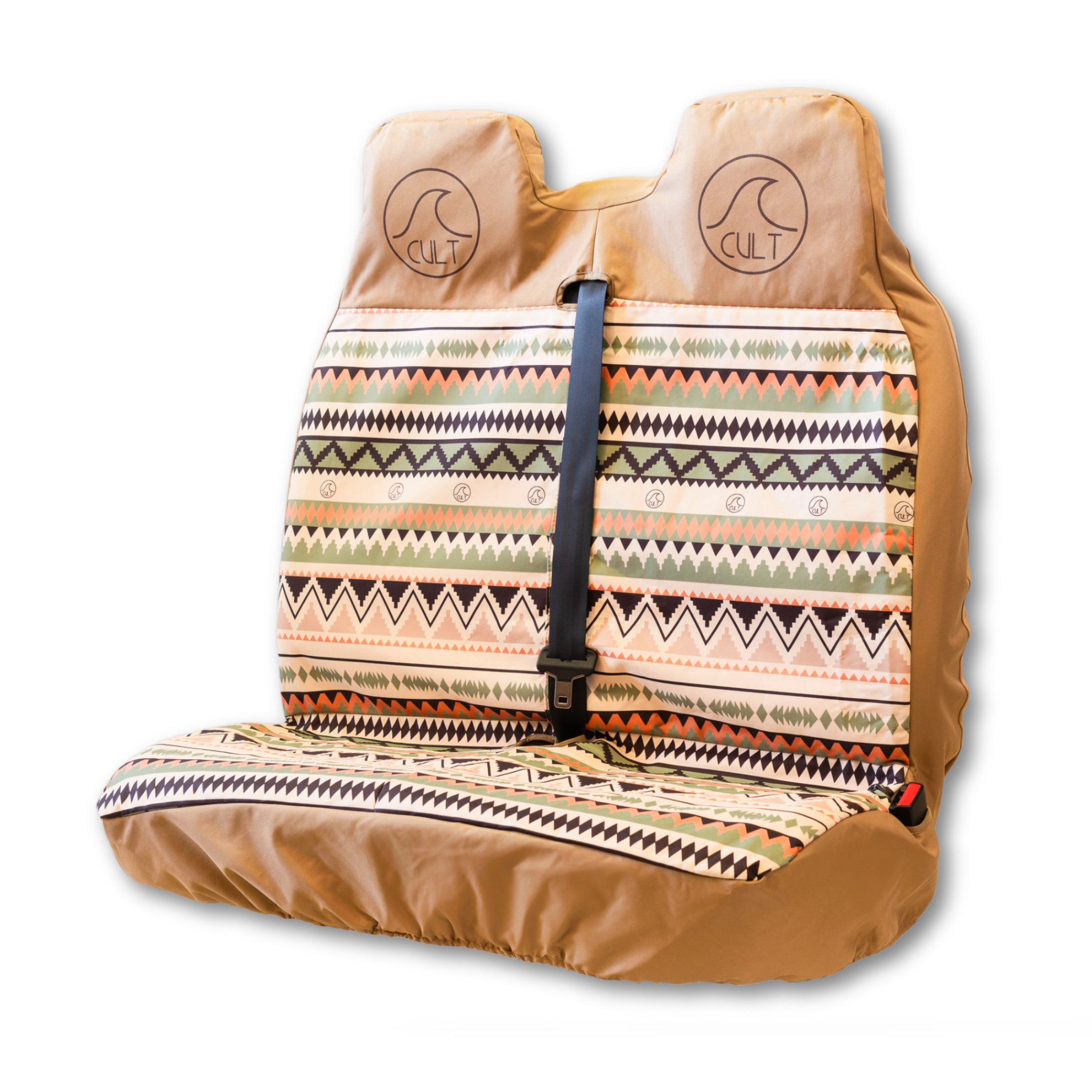
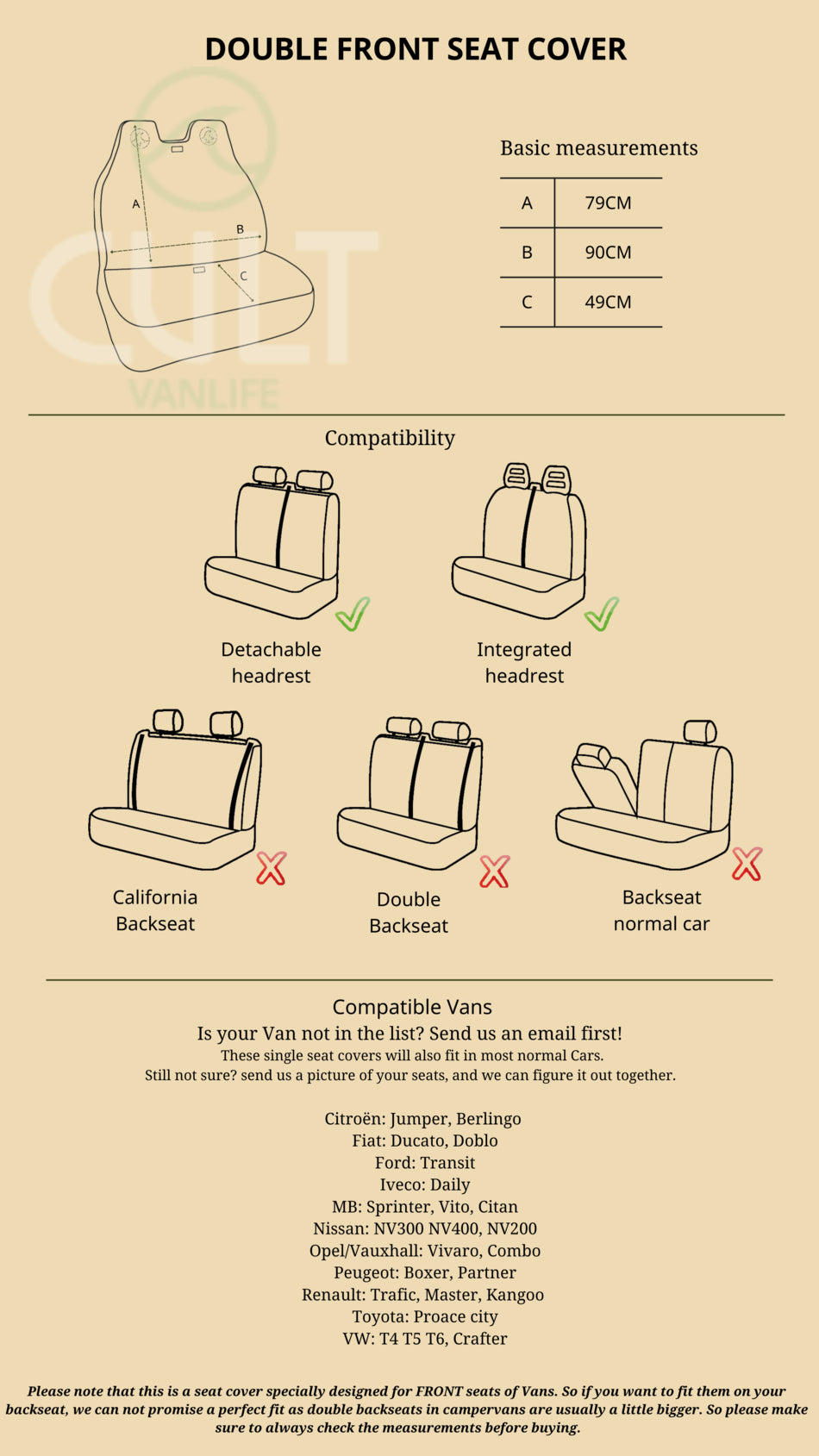
If you're going by car or van, CULT™ protective seat covers quickly go from "practical accessories" to "absolutely essential." They protect seats from moisture, salt, and sand. A simple accessory that we recommend to anyone who surfs regularly by car.

The portable shower: the luxury that changes everything
For van trips, the portable shower becomes an indispensable accessory from the very first use. Rinse your wetsuit, board, and feet after each session without depending on a public shower. Your wetsuit lasts twice as long, your fins don't rust, and you're ready for the next session with clean gear. If you don't have a shower, take a large jerrycan or a large flask; it's always a useful little accessory for rinsing off!

The repair kit
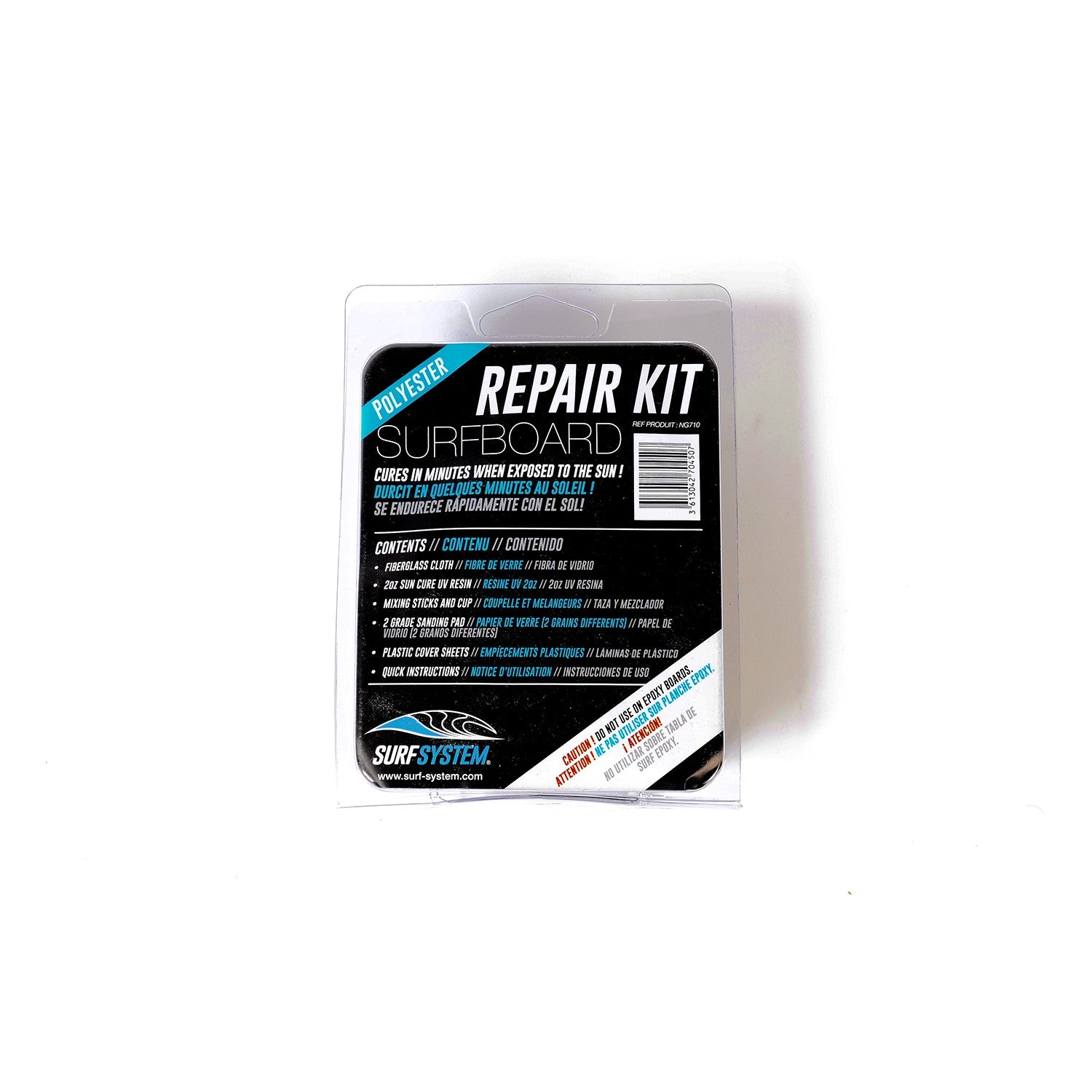
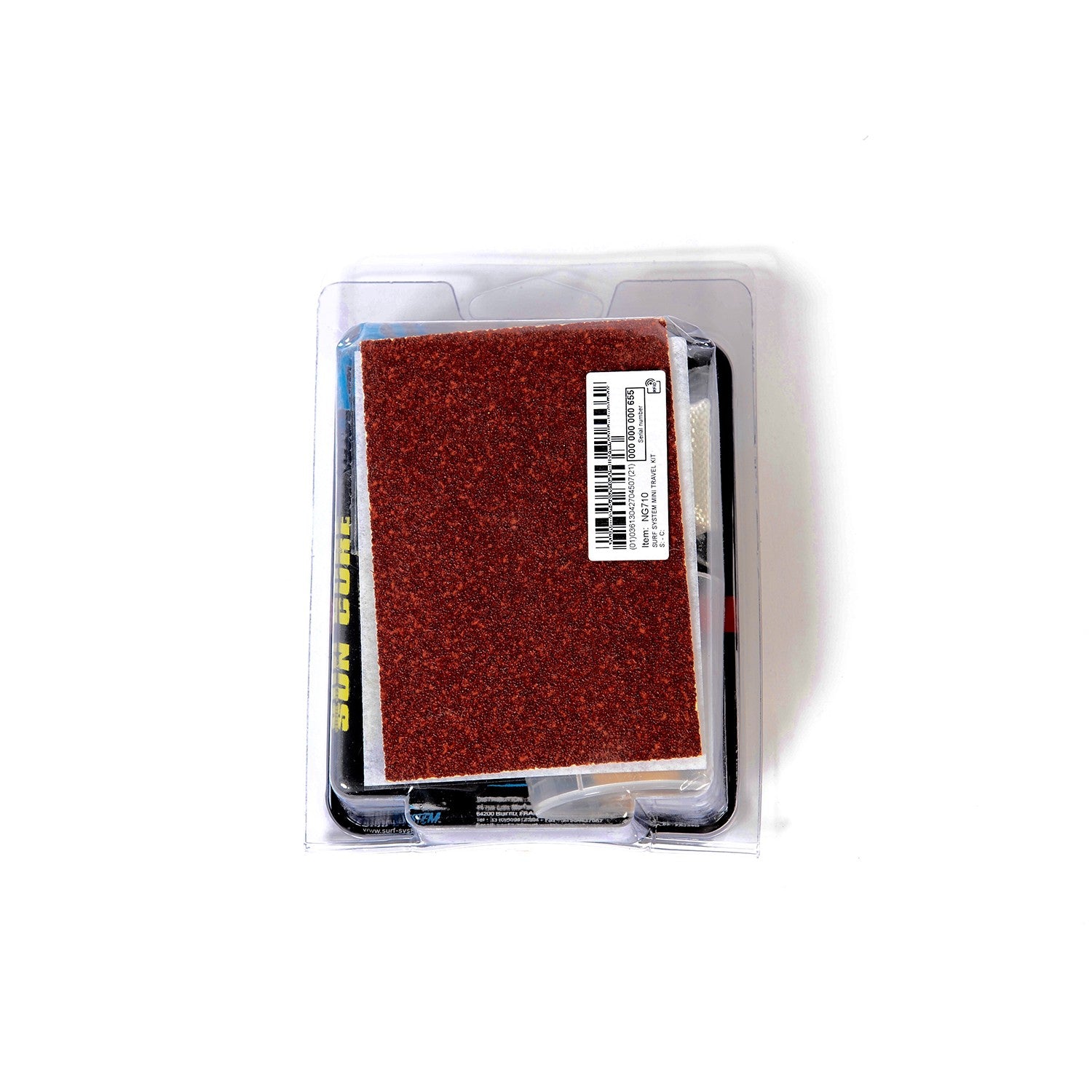
An impact on a rock, a collision between boards, dings always happen at the worst time. A compact repair kit in your bag is enough: solar resin like Solarez or Sun Cure, fine sandpaper, and electrical tape for emergencies. It doesn't take up space and can save several days of surfing. Choose carefully between PU and Epoxy.
Sun protection: protect your skin from the sun
We know it, we still forget them. Sunscreen products are absolutely essential, especially if you're going surfing in tropical destinations. A waterproof cream, resistant to several hours of session, is non-negotiable. And preferably a reef safe formula because we surf in the ocean, so it's best to take care of it.

The final equipment checklist before you leave
- Boards (main + backup)
- Boardbag suitable for the mode of transport
- Wetsuit suitable for water temperature (+ a second if long trip)
- Wax suitable for the destination (x2 minimum) + wax comb
- Main leash + spare leash
- Car Seat Covers (essential for car/van trip)
- Portable shower (van life)
- Ding repair kit
- Sunscreen products
- Spare fins + fin key
The "small essentials" checklist before you leave
- Medication and/or first aid kit if you're going off the beaten path.
- Earplugs if you know you have exostosis or other issues
- A waterproof bag or changing mat! Very useful on a surf trip
- A multi-tool with a fin key and other useful tools.
- A leash string, or even a full length of string, it's always handy!
- A pocket knife
- A "Keypod" padlock for your keys
- A beach towel
- Neoprene booties or reef booties depending on the destination
- Boardshorts and neoprene top (or tops and shorty here for women) if you're surfing in the sun
- Super glue! Always useful!
- Sunglasses
- An insulated water bottle
- A cap or a beanie depending on the destination
- A surf hat if necessary
- A waterproof pouch for your phone or keys
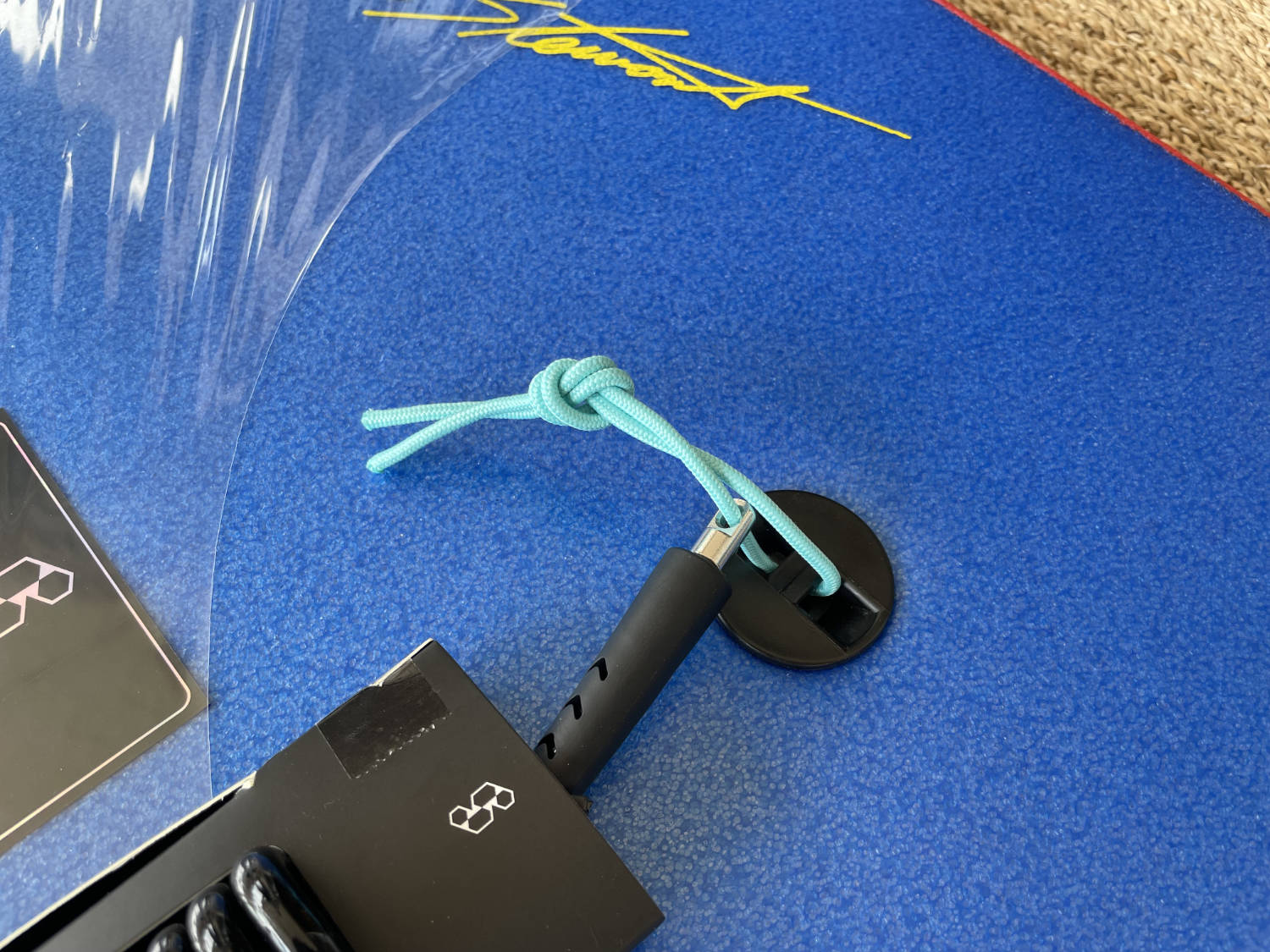
- A spare leash plug if you're going on a bodyboard trip.
- A pair of fins - Always a good idea! And obviously essential if you're going bodyboarding (or even 2 pairs if you're going far)
- Fin leashes
- A rack to dry your wetsuits if you're in a van
- A surf helmet if you're surfing reef or hardcore spots
- A poncho for changing
- Straps to tie boards to the car roof and foam pads to protect the roof and cushion. Example here: Surf System Auto Racks
- A backpack for day trips or excursions
- A storage pouch for your small surf accessories (Wax, Fins, Keys, etc.)
- A multi-function flashlight
- A sturdy, insulated mug
- A power adapter plug if you're going abroad
- A passport or ID if you're going abroad
Have a good trip!