Comment bien choisir son longboard ?
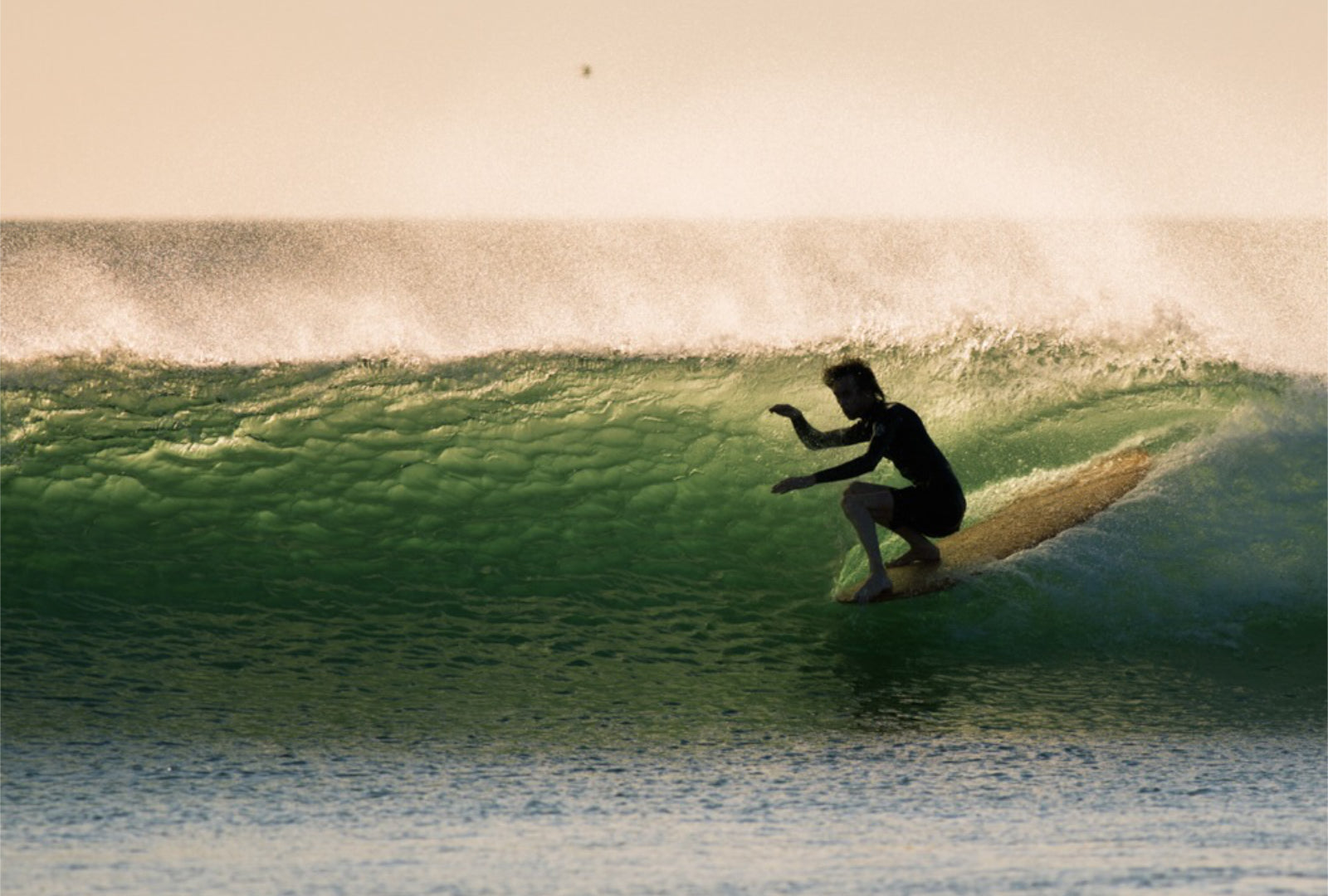
Le longboard, c'est plus qu'une planche de surf. C'est un état d'esprit. Celui de prendre le temps, de chercher la glisse pure, de surfer avec style plutôt qu'avec frénésie. Et bonne nouvelle : contrairement au shortboard dont la progession est parfois difficile et qui se mérite à la sueur du front, le longboard est accessible à presque tout le monde. Débutant complet ou surfeur confirmé en quête de nouvelles sensations, vous trouverez forcément un longboard fait pour vous.
Mais face à l'offre disponible — Noserider, Longboard Performance, soft-top, PU, Epoxy… il est facile de se perdre. Ce guide est là pour vous aider à faire le bon choix, du premier coup.

Le longboard : pour qui, pour quoi ?
Avant de regarder les planches, posez-vous la bonne question : qu'est-ce que vous voulez faire sur l'eau ?
Le longboard, c'est souvent la planche idéale pour surfer des petites vagues (ou vagues molles) et longues avec un maximum de plaisir. C'est aussi celle qui permet de prendre trois fois plus de vagues qu'avec un shortboard, de progresser plus vite, et de profiter de sessions même quand les conditions idéales ne sont pas au rendez-vous. Sur la côte atlantique ou méditerranéenne, où les vagues sont souvent plus petites en été, c'est surement la planche la plus adaptée pour aller à l'eau quoi qu'il arrive et s'amuser.
Il y a ceux qui veulent apprendre, ceux qui veulent se faire plaisir, et ceux qui veulent marcher jusqu'au nez de la planche et y rester le plus longtemps possible. Chaque profil a son longboard. C'est là que ça devient intéressant.

Votre niveau : le critère numéro un
Soyons directs : votre niveau de surf détermine en grande partie la planche dont vous avez besoin, et ensuite le type de pratique déterminera aussi votre planche. Pas votre style, pas vos envies — votre niveau réel.
- Vous débutez ou revenez au surf après une longue pause ? Priorité au volume et à la stabilité. Une planche large et épaisse vous donnera la flottabilité pour ramer sans vous épuiser, prendre facilement vos vagues, et travailler votre équilibre sans lutter contre votre matériel. On résume : plus c'est gros, plus c'est facile, plus vous progressez vite.
- Vous avez quelques sessions dans les jambes ? Vous prenez vos vagues seul, vous vous levez correctement et vous commencez à piloter vos trajectoires. Vous pouvez envisager une planche un peu plus technique, avec plus de personnalité. C'est souvent à ce stade qu'on commence à vraiment comprendre ce qu'on aime dans le longboard.
- Vous surfez depuis plusieurs années ? Vous savez ce que vous cherchez. Le choix devient alors une vraie affaire de style et de préférences personnelles. On vous en parle plus bas.
Les différents types de longboard
C'est ici que beaucoup de gens se perdent et c'est normal. Il existe plusieurs grandes familles de longboards, et chacune est pensée pour un style de surf bien précis.
- Le Malibu (longboard classique assez polyvalent)
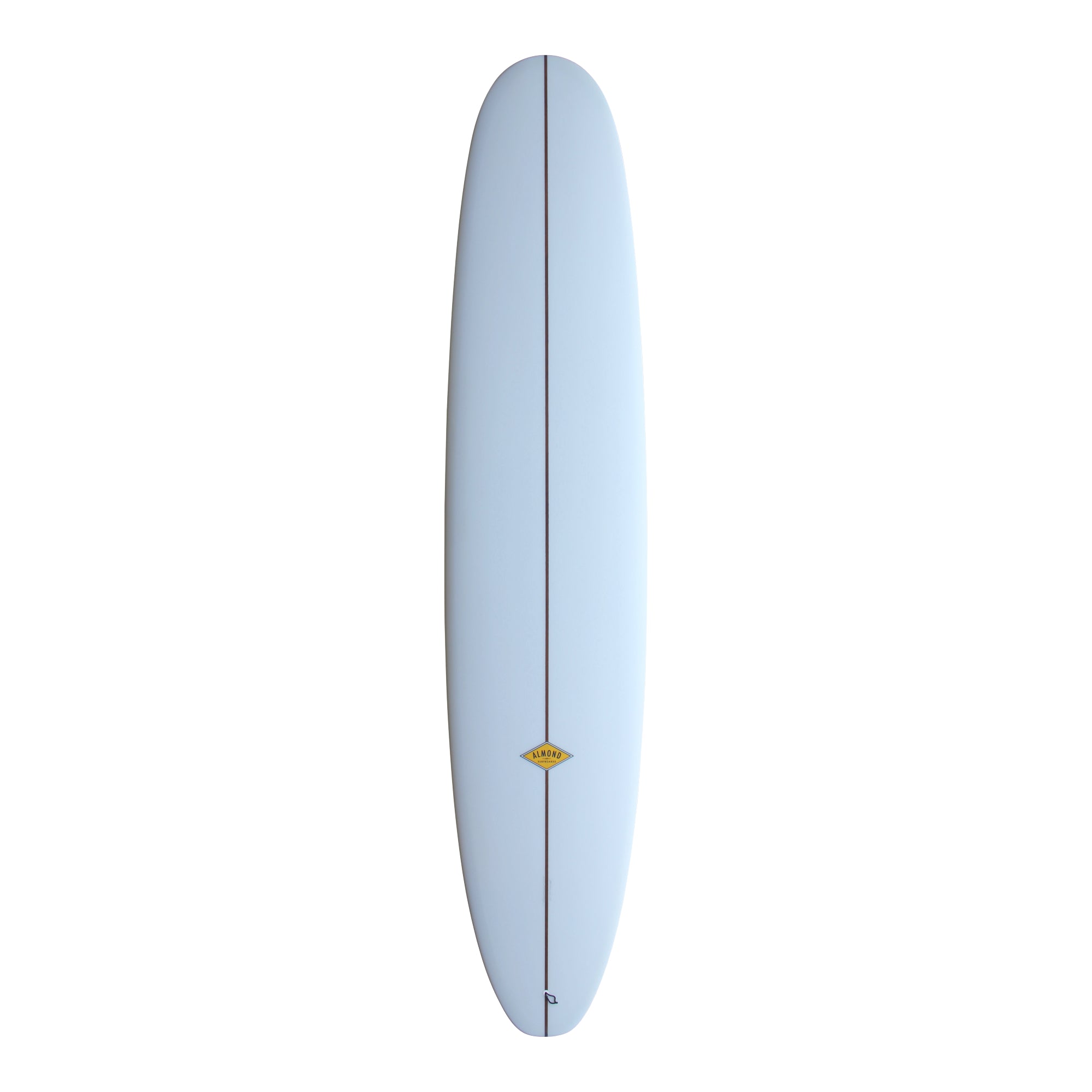
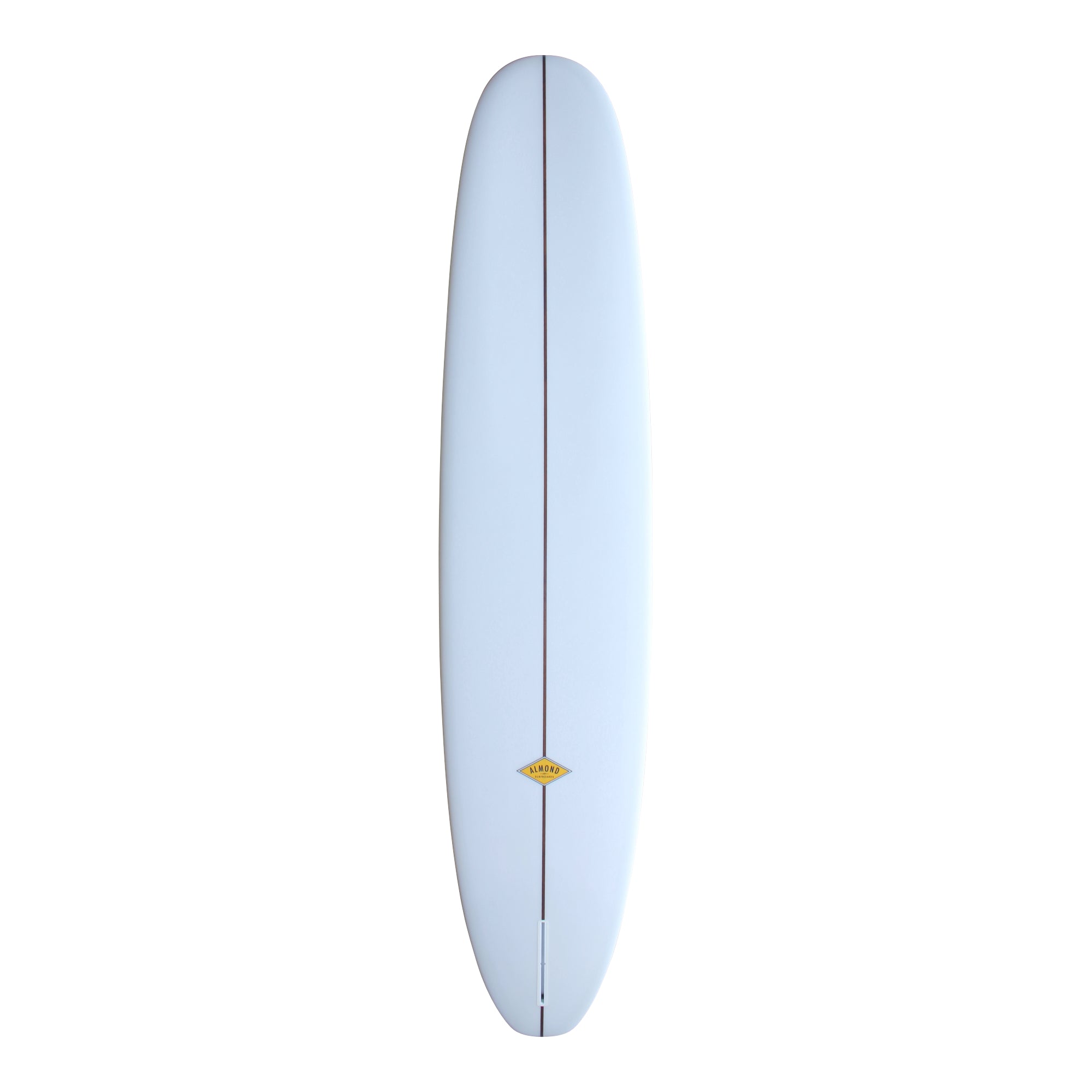
Le Log ou Malibu, c'est la planche de longboard la plus accessible qui soit. Large, épaisse, avec beaucoup de volume, elle flotte toute seule, rame facilement, et pardonne les erreurs de placement. C'est la planche idéale pour débuter, pour surfer des petites vagues estivales sans prise de tête, ou pour retrouver le plaisir de la glisse simple et efficace. Elle est docile et polyvalente
👉 Parfait pour : les débutants, et les conditions molles.
- Le Noserider
C'est la planche de longboard légendaire par excellence. Son nose très large et son rocker plat sont conçus pour une seule chose : vous permettre de marcher jusqu'au nose et d'y rester le plus longtemps possible. Le noseriding, c'est la figure mythique du longboard — et le Noserider est la planche taillée pour ça. Attention : c'est une planche exigeante, moins maniable, qui demande un minimum de niveau pour être vraiment appréciée.
👉 Parfait pour : un style old school, les vagues longues et régulières, les surfeurs intermédiaires à confirmés.
- Le pig ou involvement log:
Un longboard typé "pig" possède un nose un peu plus resserré, un wide point bas voir très bas et propose une glisse particulière, avec de l'inertie mais davantage d'accroche dans le creux puisque le longboard possède un profile de nose plus étroit et donc plus habile dans le creux. Un pig peut être très old school et volumineux, avec des rails arrondis (shape du début des années 60s), un petit square tail et pas mal de volume, ou bien il peut être un peu plus moderne et revisité (appelé "involvement logs" par les puristes et connaisseurs, shape de la fin des années 60s), avec un nose un peu plus étroit et fin, un petit square tail mais les rails plus pincés (souvent 50/50), un longboard avec un volume modéré, moins épais qu'un pig classique old school, permettant de
- Le Longboard Performance (High Performance Longboard)
Plus étroit, avec plus de rocker et des rails plus fins, le Longboard Performance permet d'enchaîner des manœuvres bien plus dynamiques — bottom appuyés, cutbacks, surf de haut en bas. Il reprend des codes au shortboard tout en conservant la vitesse de rame et le glide des grandes planches. C'est la planche des surfeurs qui veulent du dynamisme sans renoncer au confort du longboard.
👉 Parfait pour : les surfeurs confirmés, les vagues plus puissantes, le surf actif.
- Le Glider
Le Glider, c'est le grand format du longboard, souvent à partir de 10 pieds. Sa vocation ? Générer un maximum de vitesse et de glisse avec un minimum d'effort. Grâce à sa longueur et son grand volume, il capte les vagues bien avant tout le monde, rame avec une facilité déconcertante, et offre une sensation de glisse longue et fluide absolument unique. Ce n'est pas une planche de manœuvres — c'est une planche de sensations pures. Le Glider est particulièrement apprécié dans des vagues longues et douces, où il exprime tout son potentiel.
👉 Parfait pour : les surfeurs confirmés en quête de glisse pure, les vagues très molles et longues, les spots avec peu de puissance.
- Le Soft-top (planche en mousse)
La planche en mousse, c'est la planche 100% plaisir et sans prise de tête. Elle encaisse les chocs, ne fait pas mal si elle revient dans les jambes, et se prend en main en quelques minutes. Les modèles actuels ont beaucoup évolué et certains se comportent vraiment bien dans des vagues de qualité. Idéale pour débuter en toute sécurité ou pour une pratique occasionnelle.
👉 Parfait pour : les débutants, les enfants, et la pratique occasionnelle.
La taille et le volume : comment s'y retrouver ?
La longueur d'un longboard se situe généralement entre 8'6 et 10 pieds (environ 2,60 m à 3 m). Plus la planche est longue, plus elle rame facilement, plus elle est stable. En règle générale, on part sur une longueur équivalente à votre taille + 2 à 3 pieds minimum pour un débutant.
Le volume, exprimé en litres, est l'indicateur le plus fiable pour évaluer la flottabilité d'une planche. En longboard, on tourne souvent entre 60 et 85 litres. Pour vous repérer facilement :
- Débutant : votre poids (en kg) × 0,8 à 1
- Intermédiaire : votre poids × 0,55 à 0,70
- Confirmé: votre poids × 0,35 à 0,55
Un volume trop faible = vous ramez dans le vent et vous ratez des vagues. Un volume trop élevé = la planche est moins réactive. Trouvez l'équilibre, et tout le reste devient plus facile.
Les matériaux : PU, époxy ou mousse ?
La construction d'une planche influence ses sensations, sa durabilité, et son prix. Voici l'essentiel à savoir.
- Polyester (PU/PE) — La construction traditionnelle, celle des shapers depuis des décennies. Un peu plus lourde, mais avec un feel vivant et direct très apprécié des longboarders classiques.
- Époxy (EPS) — Plus légère et plus résistante aux impacts, la construction époxy est idéale si vous voulez une planche durable et facile à entretenir. Elle flotte mieux à volume égal, ce qui est un vrai avantage, notamment pour les gabarits plus légers.
- Soft-top / mousse — La construction la plus accessible et la plus sûre pour apprendre. Moins performante qu'une planche en résine, mais largement suffisante pour débuter et prendre du plaisir rapidement.
Les dérives : single fin ou 2+1 ?
Les dérives jouent un rôle important dans le comportement de votre planche — et c'est souvent le point qu'on oublie d'expliquer.
- Single fin : une dérive centrale unique, souvent grande et longue. C'est la configuration reine du longboard classique. Elle donne ce sentiment de glisse fluide, de tenue en ligne, et de connexion à la vague qui définit le longboard traditionnel. Idéale pour le noseriding et le surf old school.
- Configuration 2+1 : une dérive centrale + deux petites latérales. Ce setup apporte plus de dynamisme et de maniabilité dans les virages, tout en conservant la stabilité de la dérive centrale. C'est le choix le plus polyvalent, particulièrement adapté aux longboards performance et aux modern logs.
L'entretien : prenez soin de votre planche
Un longboard bien entretenu, c'est une planche qui dure. Quelques réflexes simples suffisent à lui garantir une longue vie.
- Rincez-la à l'eau douce après chaque session. Le sel attaque la résine et les dérives sur le long terme. Deux minutes sous le jet, et c'est réglé.
- Évitez de la laisser en plein soleil. La chaleur ramollit la résine, déforme la planche et la fait jaunir. Même au bord de l'eau, pensez à la mettre à l'ombre ou sous une housse.
- Réparez les dings rapidement. Un impact non réparé laisse l'eau s'infiltrer dans le blank et dégrade la planche de l'intérieur. Les kits de réparation basiques font l'affaire pour les petits dommages.
- Stockez-la correctement. À plat sur un rack ou debout contre un mur avec un pad de protection — jamais posée sur le nez ou le tail sans support.

En résumé : comment choisir ?
Pas de panique. Avant d'acheter, posez-vous ces trois questions :
1. Quel est mon niveau réel ? → Débutant : misez sur le volume et la stabilité. Intermédiaire/confirmé : vous pouvez affiner selon votre style.
2. Dans quelles conditions je surfe ? → Vagues petites et molles → Log ou Noserider. Vagues plus puissantes → Longboard Performance.
3. Quel style de surf me fait envie ? → Glisse tranquille → Log. Noseriding et style old school → Noserider. Surf actif et manœuvres → Longboard Performance.